East Price Hill Duplex Investing: What to Review First
May 21, 2026
May 21, 2026
If you are thinking about adding a duplex in East Price Hill to your portfolio, the opportunity can be real, but so can the surprises. This Cincinnati West Side neighborhood has a strong renter presence and a housing stock that already includes a meaningful number of small multifamily properties, which makes duplex investing a familiar play here rather than a niche one. At the same time, older buildings, rental rules, and renovation compliance can shape your numbers quickly. Here is what you should know before you buy.
East Price Hill sits just west of downtown Cincinnati, and its housing mix helps explain why investors pay attention to it. According to the City of Cincinnati’s 2020 neighborhood profile, the neighborhood has 15,241 residents and 7,037 housing units, with 3,592 renter-occupied units compared with 2,471 owner-occupied units. That renter-heavy profile matters because it points to built-in demand for rental housing.
The same profile shows that small multifamily housing is already part of the neighborhood fabric. East Price Hill includes 963 units in 2-unit structures and 945 units in 3- to 4-unit structures. In other words, when you buy a duplex here, you are not forcing an unusual product into the market.
A large renter base can support duplex ownership, but it does not mean every property works as an investment. The City of Cincinnati profile lists East Price Hill’s median household income at $30,112 and median gross rent at $693. Those figures suggest you should underwrite conservatively and avoid assuming aggressive rent growth will fix a thin deal.
That does not make East Price Hill a poor fit for investors. It means your margin for error may be tighter, especially if the building needs significant updates or carries higher-than-expected operating costs. A duplex with solid condition, realistic rents, and a clear compliance path may look very different from a cheaper property that needs major work.
One of the first questions to answer is whether the property is legally a duplex today and whether your intended use matches the parcel’s zoning. The City of Cincinnati zoning map for East Price Hill includes several district types, including SF districts, RMX, RM-2.0, RM-1.2, RM-0.7, and commercial districts. RMX is labeled Residential Mixed for 1 to 3 units, but zoning varies by parcel.
That matters if you are buying a building that has been used informally as two units or if you plan to reconfigure space. Cincinnati’s permit guidance says the first step is to verify jurisdiction and zoning because zoning affects how a property can be used and whether additional approvals may be needed. Before you rely on a listing description, confirm the actual legal status of the property.
If you plan to rent out the duplex, city compliance should be part of your due diligence from day one. Since September 1, 2020, all residential rental units in Cincinnati must be registered. East Price Hill is also one of the seven neighborhoods included in Cincinnati’s Residential Rental Inspection program.
The city says these neighborhoods were selected due to higher rental concentration, older housing stock, and code-violation volume. Initial inspections are charged at $100 per unit, and some properties can trigger review of an owner’s broader Cincinnati portfolio. If you are buying your first duplex or expanding locally, that is a cost and process to factor in before closing.
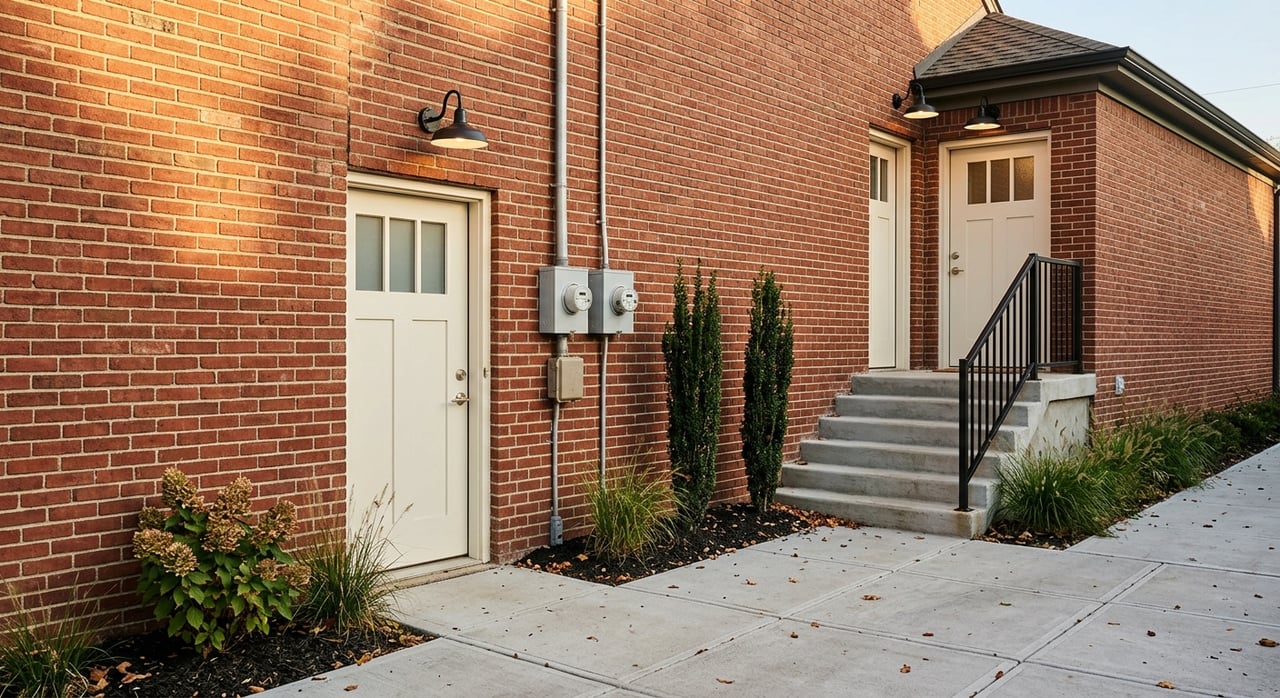
Many duplex opportunities in East Price Hill involve older buildings, and older buildings usually come with more renovation variables. Roofs, gutters, windows, plumbing, electrical, HVAC, moisture issues, and structural repairs can all affect your timeline and budget. Even a property that looks manageable at first glance can shift once inspections and contractor walkthroughs begin.
Cincinnati’s code framework also matters here. The city uses the Residential Code of Ohio for 1-, 2-, and 3-family dwellings, while the Cincinnati Housing Code applies retroactively to existing residential buildings. Some like-for-like exterior work may not require a permit, but many projects do, so it is wise to confirm requirements before work starts.
If work is done without a required permit, Cincinnati warns that an investigation fee may be added on top of the permit cost. That can turn a shortcut into a more expensive mistake. A disciplined rehab plan usually costs less than fixing permit or compliance issues after the fact.
Lead risk should be treated as a standard consideration in East Price Hill duplex rehabs. The City of Cincinnati’s neighborhood profile flags high potential lead-paint exposure, and the EPA notes that older homes are more likely to contain lead-based paint. In pre-1978 homes, renovation, repair, or painting can create hazardous lead dust.
The EPA also states that firms performing this work must be certified and use lead-safe practices. For an investor, that means lead-safe planning should be part of your budget, timeline, and contractor selection process. It is better to account for this early than to be surprised once work begins.
Some properties may carry an extra layer of review. If a duplex is city-designated historic, the owner must obtain a Certificate of Appropriateness before starting work. That does not mean the deal is off, but it can affect your renovation sequence and timeline.
If you are hiring contractors, Cincinnati requires them to be registered before permits will be issued where registration applies. There is an owner-work exemption for 1-, 2-, and 3-family dwellings, but it applies only when the homeowner personally performs the work and will occupy the residence for at least one year after completion. That is usually not how an investor duplex purchase is structured.
If the property is vacant at purchase, or your value-add plan will leave it vacant during renovations, check the city’s Vacant Building Registration requirements early. Cincinnati’s program became effective in April 2026. For investors taking on heavier rehab projects, this can be an important part of the pre-closing review.
A duplex that looks attractive on price can become more complex if it sits empty during a long renovation. Understanding those city requirements up front helps you build a more accurate timeline and budget.
East Price Hill’s access is one reason some investors stay interested in the area. Price Hill is just west of downtown Cincinnati, and local materials note bus and bike access. City planning materials also describe Warsaw Avenue as a major arterial connecting Price Hill and Western Hills with downtown, with ongoing safety work on the corridor.
That kind of connectivity can support leasing, especially when paired with good unit condition and professional management. Still, access alone should not carry your underwriting. A property-by-property rent comp review and expense analysis remain essential.
Before you move forward on an East Price Hill duplex, keep your review focused on the details that can change the deal:
In East Price Hill, a workable duplex investment often comes down to discipline more than hype. The neighborhood’s renter base and small multifamily housing stock are real positives, but they do not remove the need for careful underwriting. Conservative rent assumptions, a clear rehab plan, and close attention to city rules can make the difference between a stable addition to your portfolio and a property that drains time and cash.
This is where local guidance can add real value. When you are evaluating a duplex in a neighborhood with older housing, varied zoning, and active rental oversight, market knowledge is not just helpful. It can shape your acquisition strategy from the first showing through closing and beyond.
If you are exploring duplex opportunities on Cincinnati’s West Side, Johnson Real Estate Group can help you evaluate inventory, local market context, and the details that matter before you commit.



Every real estate journey is unique, and Johnson Real Estate Group is here to make yours unforgettable. We listen, strategize, and act with precision — ensuring your goals become our goals.