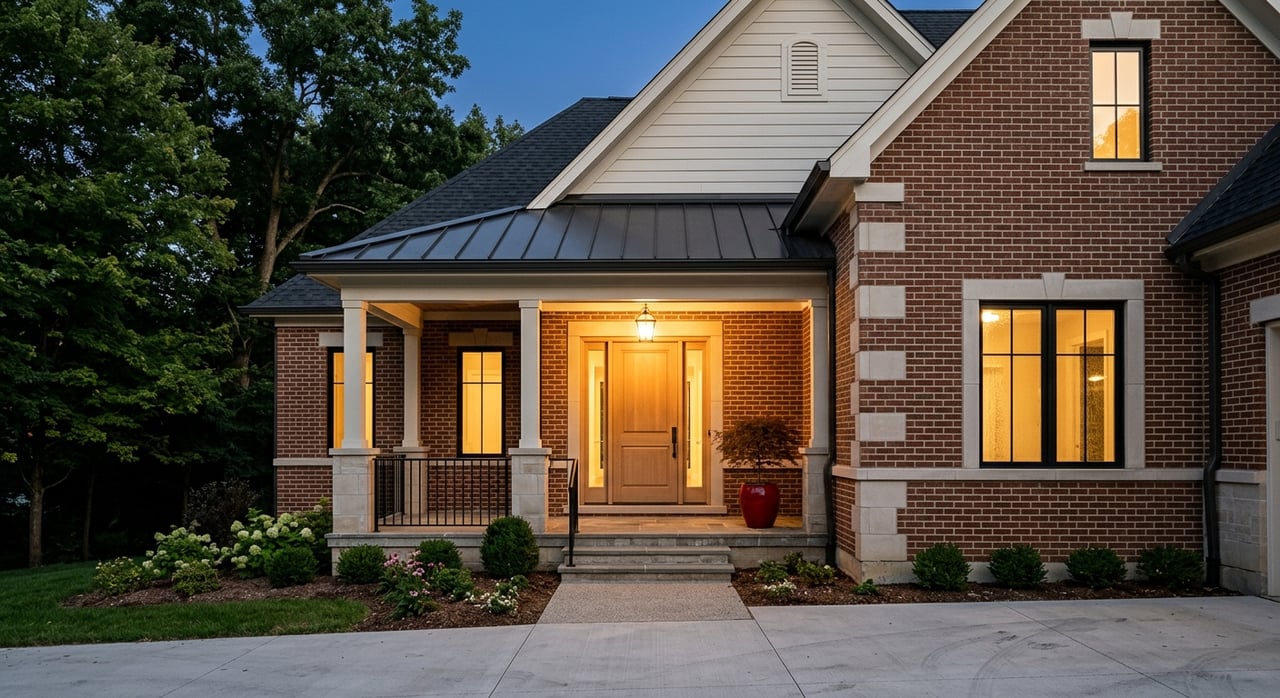
Oakley New Construction Contracts: A Buyer’s Guide
April 16, 2026
April 16, 2026
Buying a new-construction home in Oakley can feel exciting right up until the builder contract lands in front of you. Unlike a typical resale deal, this agreement often covers a homesite, construction timeline, selections, deposits, and change orders instead of a finished home you can fully inspect on day one. If you want to move forward with confidence, it helps to know what matters most in the paperwork and where buyers should slow down and ask questions. Let’s dive in.
Oakley buyers are often shopping in communities where the conversation starts with lot availability, build options, and delivery timing. In communities like Foundry Park at Three Oaks, buyers may be choosing from single-family homes, townhomes, or customizable homesites, and inventory can be limited.
That changes the contract discussion. Instead of focusing mostly on the condition of an existing home, you are often agreeing to the terms of a future build, including what gets built, when it gets built, and how upgrades are priced along the way.
One of the biggest differences in Ohio is disclosure. The standard residential property disclosure form that often applies to existing homes generally does not apply to newly constructed residential property that has never been inhabited, according to Ohio law.
That means your protection strategy looks different in a new-build purchase. Instead of relying on a seller-condition disclosure framework, you need to pay close attention to the written contract, the construction scope, the warranty terms, the change-order process, and your inspection rights.
Ohio’s home-construction contract law also offers a practical guide for what construction agreements should include in writing, such as the parties involved, property address, work description, start and completion periods, estimated cost, excluded costs, proof of insurance, and signatures under Ohio Revised Code Chapter 4722.
The base price is only part of the story in many new-construction deals. In Oakley, where lot choice and finish selections can shape the final price, you should confirm exactly what is included and what counts as an upgrade, lot premium, or later change order.
If a feature matters to you, make sure it appears clearly in the contract or related written documents. Verbal conversations in the model home are helpful for context, but the written agreement is what matters most.
Builders often require earnest money or an upfront deposit. The Consumer Financial Protection Bureau recommends asking under what conditions the deposit is refundable, which is especially important if financing, timing, or upgrade costs shift during the process.
This is also a smart time to ask how the deposit is handled if the builder changes timing, pricing, or available options. Clear refund language can help you understand your risk before you commit.
A resale closing usually revolves around a set date. A builder contract often uses estimated start and completion periods instead, which can be affected by labor, materials, weather, and permit timing.
Ohio construction contract rules make timeline language important, so review the expected construction window carefully in the written agreement. You should also ask what happens if completion is delayed and whether your rate lock, lease timing, or move plans could be affected.
Selections are one of the most exciting parts of buying new construction, but they can also become one of the biggest budget risks. Countertops, flooring, cabinets, appliance packages, and structural options can all affect the final number.
The Ohio Attorney General’s consumer guidance says construction details should be in writing, changes should require written approval, and total cost and payment terms should be clear. Ohio law also says that when reasonably unforeseen but necessary extra costs exceed $5,000 over the life of the contract, the owner must receive a written or oral estimate before that extra work begins, unless the contract is firm-price under Chapter 4722.
For you, the takeaway is simple: understand how allowances work, ask how changes are priced, and avoid assuming a finish is included unless it is documented.
A common mistake is assuming a new home does not need an independent inspection. It still does.
The CFPB explains that a home inspection is different from an appraisal, and if your contract includes an inspection contingency, you may be able to cancel without penalty if serious issues are found. HUD also notes that FHA compliance inspections do not guarantee the condition of the home, which is why your own qualified inspector remains important.
In practice, buyers often benefit from understanding:
Builder warranties can be a major benefit, but they are not all the same. You should ask what warranty applies, how long coverage lasts, what is excluded, and how warranty claims are submitted after closing.
If your loan is FHA-insured, HUD materials state that the builder must provide a one-year warranty on new homes and execute the warranty form with the purchaser. HUD also notes that manufacturer warranties may apply to components such as heating and cooling systems and water heaters, based on HUD guidance.
Ask for the warranty details in writing and keep copies of all component warranties in one place. That can make life much easier if an issue comes up after move-in.
When you walk into a builder’s model home, it is easy to assume the onsite representative is there to guide you through the purchase as your advisor. In reality, it is important to understand who that person represents.
Under Ohio agency law, agency disclosures are required early in the process and no later than the offer stage. Buyers should know whether the person they are speaking with represents the builder or seller, the buyer, or both.
A buyer’s agent in Ohio owes fiduciary duties to the buyer, including loyalty, confidentiality, reasonable skill and care, accounting for funds, and advising the client to seek expert advice on material matters. Ohio law also states that a brokerage representing a purchaser still represents the purchaser’s interests even if the seller compensates that brokerage.
Dual agency is allowed only with full knowledge and written consent from both sides. You do not have to consent, and you can choose independent representation if that better fits your goals.
Even after construction is nearly done, there are still a few final checkpoints that matter.
The CFPB recommends doing a final walk-through, confirming agreed repairs are complete, and pausing before signing if the closing documents differ from what you expected. The same guidance notes that buyers can shop for title insurance and other closing services, and that owner’s title insurance may help protect your investment.
There is also a construction-specific issue that many buyers do not think about: mechanics’ liens. Under Ohio law, contractors, subcontractors, suppliers, and laborers can have lien rights tied to certain home-construction work. That makes final-payment timing and any lien-release documentation worth reviewing closely.
Before you sign a builder contract in Oakley, ask questions like these:
These questions can help you compare options more clearly and avoid surprises later.
In Oakley new-home communities, the contract is not just a formality. It is the roadmap for your build, your budget, and your closing timeline.
The strongest approach is usually the simplest one: get everything in writing, review the pricing and change process carefully, confirm who represents whom, and keep your own inspection and closing protections in place. If you are considering a new-construction purchase in Oakley and want experienced guidance from first tour to final walk-through, connect with Johnson Real Estate Group for clear, neighborhood-rooted support.



Every real estate journey is unique, and Johnson Real Estate Group is here to make yours unforgettable. We listen, strategize, and act with precision — ensuring your goals become our goals.