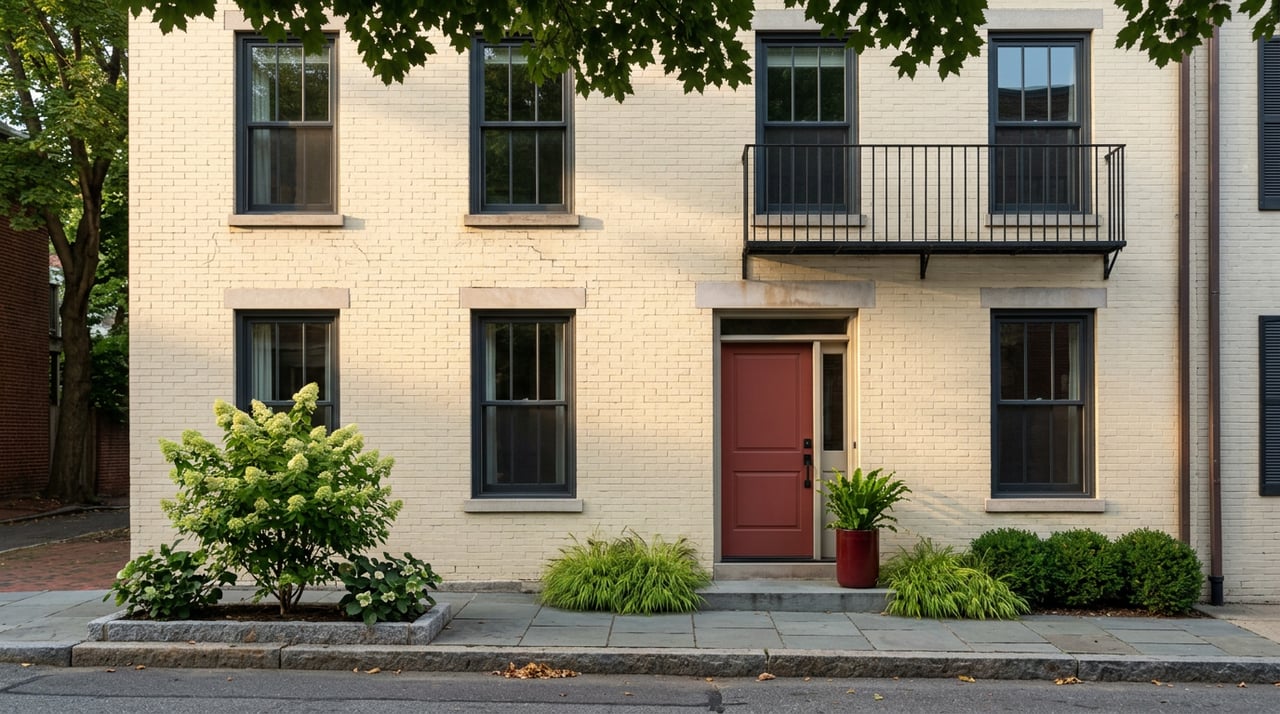
Love the character of East Price Hill but not sure what you’re seeing at showings? You are not alone. With hillside streets and homes from different eras, it can be hard to tell a Victorian from a Foursquare or a Craftsman from a mid-century ranch. In this guide, you’ll learn how to spot the most common styles, what floor plans to expect, and what renovations to budget for, so you can tour with confidence and plan your next move. Let’s dive in.
East Price Hill housing at a glance
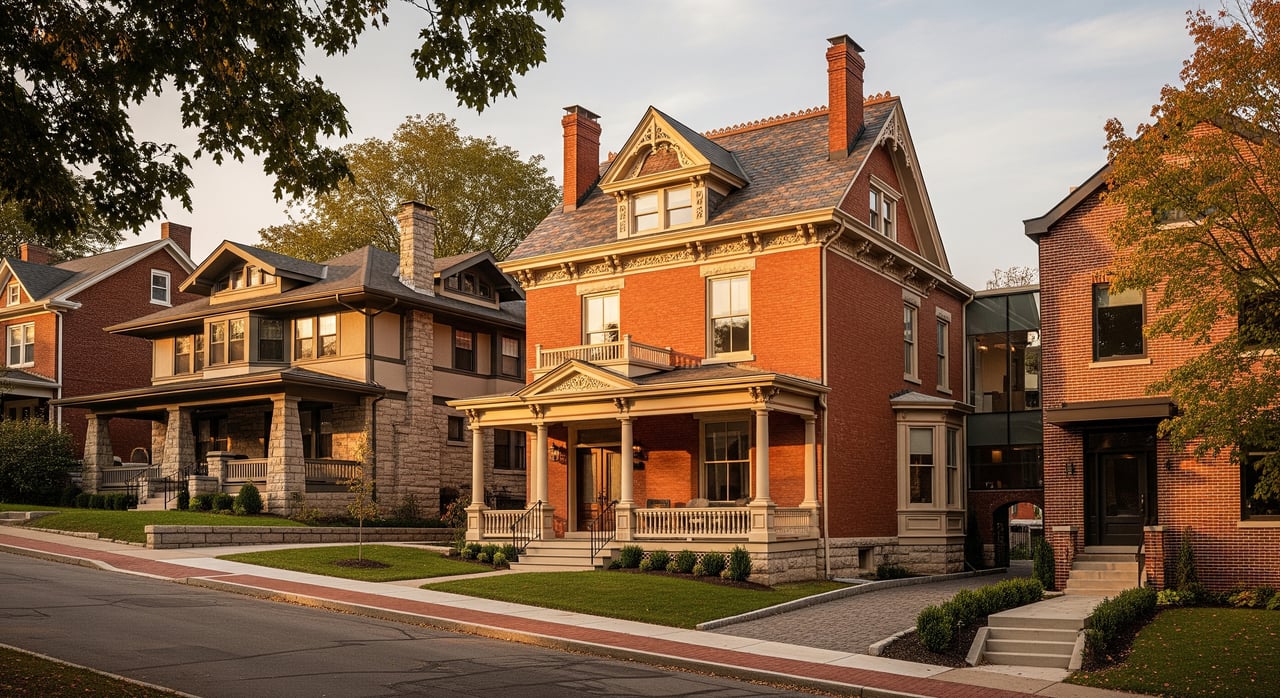
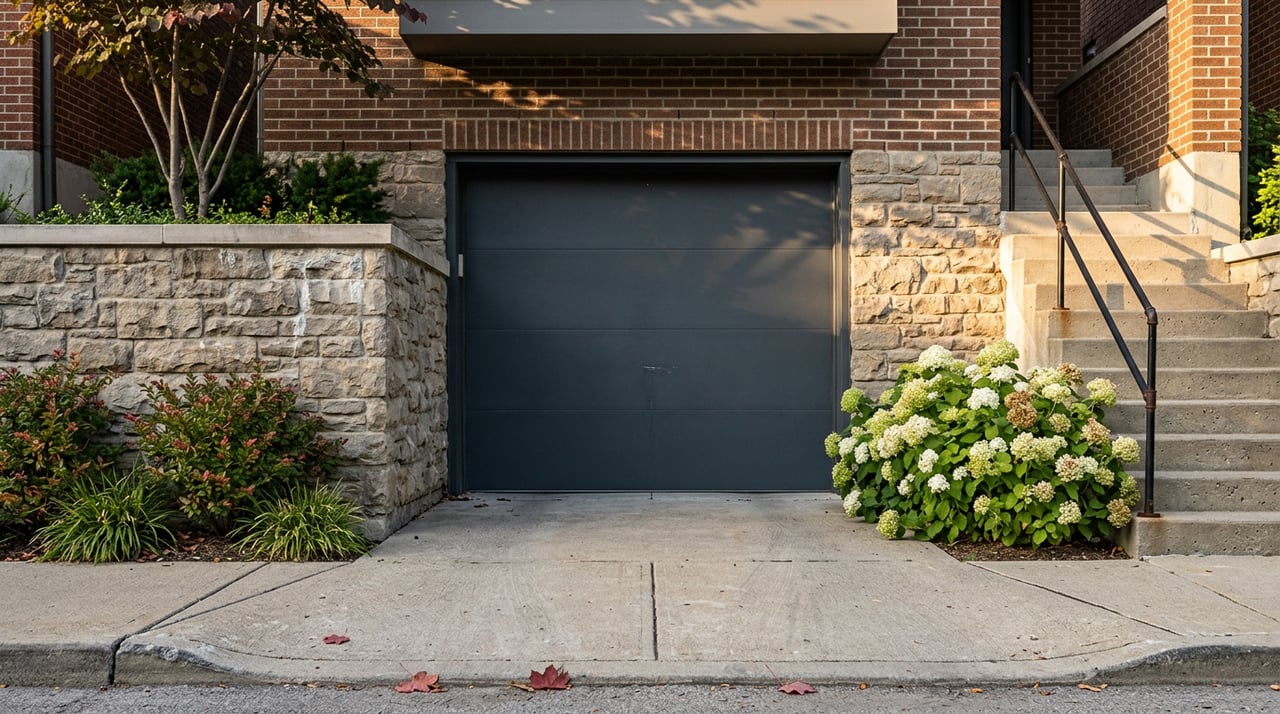
East Price Hill is one of Cincinnati’s older hill neighborhoods, built mainly in the late 19th and early 20th centuries. That timing explains the mix of Victorian, American Foursquare, and Craftsman homes, with later infill and some mid-century houses. You’ll find narrow, rectangular lots on slopes, many front porches, and elevated foundations. Basements are common, and the grade often creates walk-out or partially finished lower levels.
Expect alley access, small side and rear yards, and limited street parking on some blocks. The area includes single-family houses along with older homes that were converted to two or three units. Before you buy or invest, verify unit count, tax classification, and permit history with local records and the City of Cincinnati building department.
Victorian homes: ID, layouts, updates
Quick visual ID
- Asymmetrical façade with steep, varied rooflines and decorative trim.
- Tall, narrow windows, bay windows, and deep or wraparound porches.
- Two to three stories, often with an attic and high ceilings.
Typical floor plan
- Formal rooms divided by halls and doors: parlor, dining room, and a separate rear kitchen.
- Tall 9 to 12 foot ceilings, narrower rooms, and staircases in a central or side hall.
- Full basements are common, plus usable attics.
Renovation notes
- Plan for system upgrades: older plumbing, knob-and-tube wiring, and older boilers or radiators can appear.
- Windows may be original sash. Decide whether to restore for longevity and character or replace for a lower upfront cost.
- Opening walls for larger kitchens can be rewarding, but structural and ornamental details add complexity.
- Expect possible lead paint and asbestos. Testing and proper abatement are smart moves.
- Complex rooflines need careful roofing and flashing work.
Investor angle
- Value often comes from restoring period details while modernizing kitchens and baths. Some larger Victorians can be configured as multi-unit rentals, subject to permits and code compliance.
American Foursquare: ID, layouts, updates
Quick visual ID
- Boxy, nearly square footprint with two to two-and-a-half stories.
- Low-pitched hipped roof with wide overhangs and a large front porch.
- Simple ornamentation and balanced windows.
Typical floor plan
- Practical “four rooms per floor” concept: living, dining, kitchen, and a study or bedroom on the main level, with bedrooms upstairs.
- Straightforward stairs, good attic and basement space.
Renovation notes
- Regular room shapes and simpler rooflines make updates more predictable.
- Kitchen and bath upgrades are common, and adding a second bath is often feasible with modest structural work.
- Older porches may need reinforcement and repair due to wood rot.
Investor angle
- These homes respond well to cosmetic refreshes and system upgrades, with fewer surprises than highly ornate Victorians.
Craftsman and bungalow: ID, layouts, updates
Quick visual ID
- Low-pitched gabled roofs with wide eaves and exposed rafters.
- Tapered porch columns on piers, and natural materials like stone or wood shingles.
- Usually one to two stories with a smaller footprint.
Typical floor plan
- An open living and dining area with a compact kitchen.
- Built-ins, window seats, and a welcoming front porch.
- One or one-and-a-half stories are common, with occasional finished attics.
Renovation notes
- Preserve original woodwork and built-ins where possible to keep buyer appeal.
- Improve energy performance with attic insulation and HVAC upgrades.
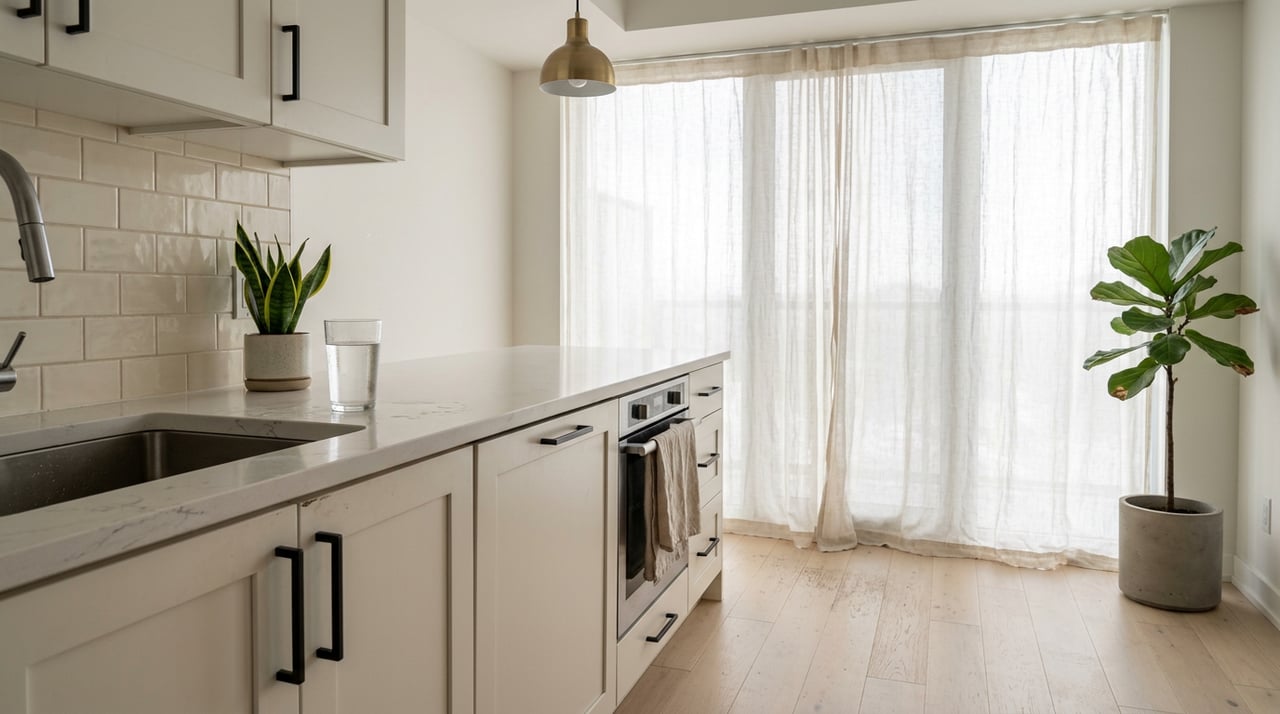
- Kitchens and baths are smaller; thoughtful reconfigurations can make them feel modern without losing charm.
Investor angle
- Craftsman features are popular in Cincinnati’s older neighborhoods. Light updates that keep character tend to protect resale value.
Mid-century infill: ID, layouts, updates
Quick visual ID
- Simple lines, lower roof pitches, and larger horizontal windows.
- Minimal ornamentation with brick, stone, or wood siding.
- Includes small ranches and split-level homes added post-World War II.
Typical floor plan
- More open common areas than earlier styles.
- Ranches often have linear, single-level layouts; split-levels use short stair runs between zones.
- Basements are common for mechanicals, sometimes partial.
Renovation notes
- Expect older mechanicals and windows. Asbestos siding or floor tiles may be present.
- Some have slab foundations or shallow footings, so review foundation condition.
- Updating kitchens and baths is typical. Preserving authentic mid-century details can be a selling point.
Investor angle
- Usually easier and less costly to modernize than ornate older stock, with potential for cosmetic flips or steady rentals.
Common condition issues to budget
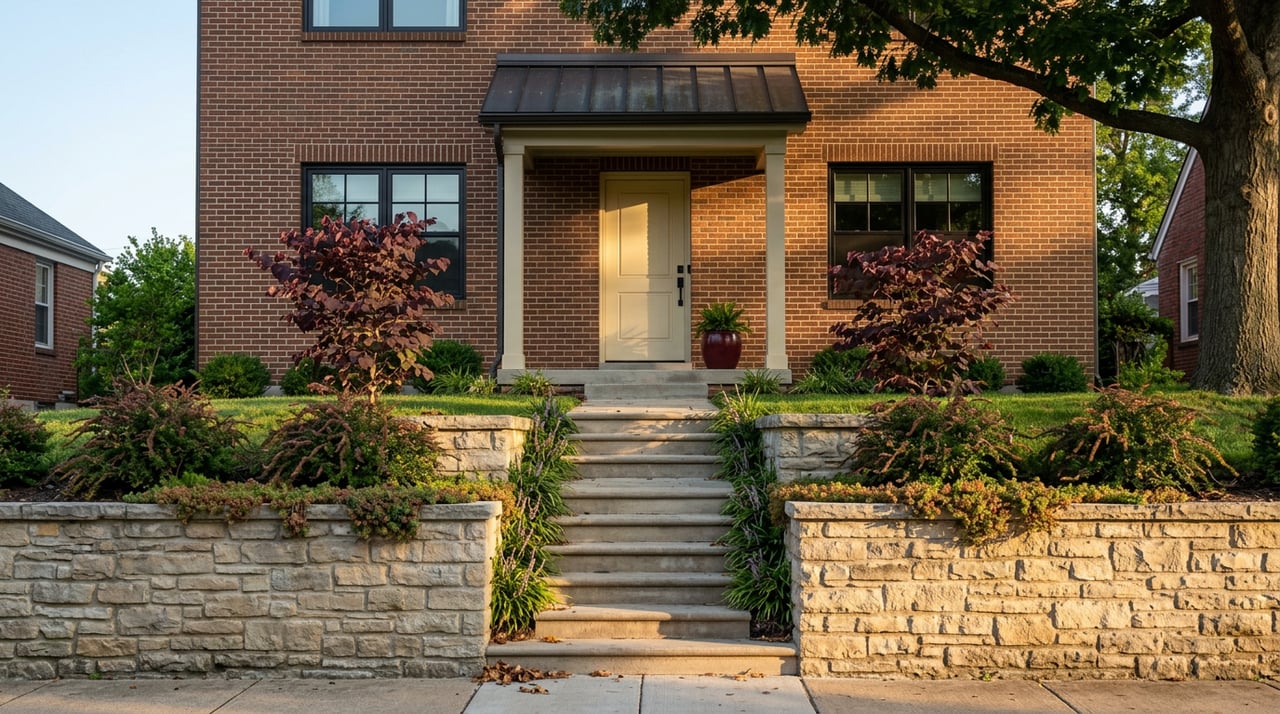
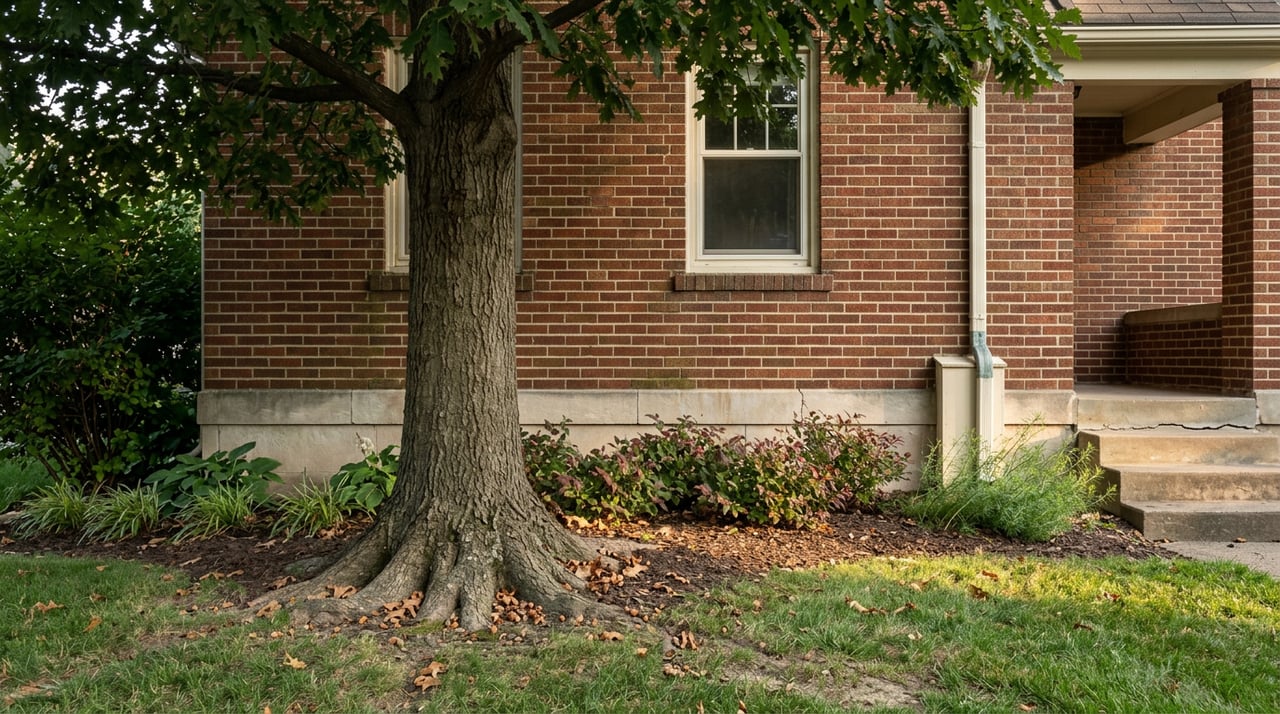
- Structure and site: foundation cracks, slope-related drainage, and retaining wall stability matter on hillside lots. Check downspouts and grading.
- Porches and balconies: exposed wood often shows rot or settlement.
- Mechanicals: older boilers, radiators, or aging forced-air systems may need full replacement. Electrical may require a service upgrade to 100 to 200 amps.
- Plumbing: galvanized supply lines, cast iron drains, and older water heaters can increase costs.
- Hazardous materials: expect lead-based paint in pre-1978 homes and possible asbestos in insulation or floor tiles.
- Weatherproofing: under-insulated walls and attics, leaky sashes, and air gaps around porches affect comfort and bills.
- Code issues: unpermitted conversions or additions are not uncommon. Verify permit history and ask for disclosures.
Permits, historic rules, and programs
- Permits: structural work, additions, porch rebuilds, and window replacements typically require permits from the City of Cincinnati.
- Historic review: if a property is in a local historic district or under a conservation overlay, exterior changes may need board approval. Check rules for the specific address before you plan work.
- Renovation financing: options to explore with a local lender include the FHA 203(k) Rehabilitation Mortgage and the Fannie Mae HomeStyle Renovation loan.
- Local assistance: Cincinnati and Hamilton County often offer community development, down payment, and rehab help. Ask the city’s housing or community development office about current programs.
- Health and safety: lead hazard control and weatherization programs may be available through local agencies.
- Insurance: older homes and hillside conditions can affect premiums. Confirm coverage for older roofs, knob-and-tube wiring, and drainage exposures.
Smart touring and inspection strategy
- On tours: look for roof age, signs of sagging, and water stains. Check basements for moisture, efflorescence, or standing water. Inspect window sills and porch columns for rot.
- Electric and heat: note the electrical panel and visible wiring, plus the age and type of heating system.
- Prior conversions: watch for extra meters, separate entrances, or makeshift kitchens that hint at unpermitted work.
- Inspections: order a full home inspection and bring in specialists as needed, such as a structural engineer, a licensed electrician, and an HVAC or boiler pro.
- Safety testing: plan for lead paint testing and asbestos screening if you intend to renovate.
Renovation priorities and cost planning
- Triage in order: safety, structure, and mechanicals first. Then weatherproofing and insulation. Finish with kitchens, baths, and cosmetics.
- Contingency: older homes often reveal surprises. Build a higher contingency than you would for newer construction.
- Investor math: separate stabilization costs for systems and code compliance from cosmetic budgets. This keeps underwriting realistic.
Resale considerations in older homes
- Preserve character: original trim, wood floors, staircases, built-ins, and quality windows can help marketability.
- Balanced updates: modern kitchens and baths matter, but stripping period details may limit buyer appeal in a neighborhood that values charm.
- Outdoor livability: sturdy porches and improved drainage are useful in a hillside area with smaller yards.
Buying or investing in East Price Hill rewards informed eyes and a clear plan. If you want help identifying styles, estimating renovation paths, or accessing upcoming inventory before it hits the broader market, connect with the local team that works these streets every week. Reach out to the Johnson Real Estate Group to tour homes, discuss strategy, and Get Early Access to Listings.
FAQs
Are East Price Hill homes mostly single-family or multi-unit?
- The neighborhood has both single-family houses and older homes converted to multi-unit buildings. Confirm zoning, unit count, and tax classification through local records.
Will a historic district restrict remodeling in East Price Hill?
- It can. Properties inside local historic districts or conservation overlays usually need review for exterior changes. Check rules for the specific address before planning work.
Are basements common and usable in East Price Hill homes?
- Yes. Many homes have full or partial basements, and hillside grades can create walk-out setups. Always evaluate moisture, foundation condition, and code compliance for finished space.
What hidden costs should East Price Hill buyers expect?
- Budget for electrical upgrades, plumbing replacements, lead or asbestos abatement, porch repairs, roof and flashing work, and drainage or retaining wall fixes.
How do I find local comps for Victorian, Foursquare, Craftsman, and mid-century homes?
- Filter by year built and style keywords in MLS data and ask a local agent for curated examples. A neighborhood-focused team can pull relevant comps and off-market options.