East Price Hill Multi Family Investing Guide
March 12, 2026
March 12, 2026
Looking for steady cash flow and a clear value‑add path close to downtown Cincinnati? East Price Hill’s duplexes and small multi‑family buildings can check both boxes if you know how to underwrite the neighborhood and navigate local rules. You want reliable numbers, realistic renovation budgets, and a simple way to spot solid assets fast. In this guide, you’ll get rent and pricing context, hands‑on walkthrough tips, zoning and registration must‑knows, and proven value‑add plays tailored to East Price Hill. Let’s dive in.
East Price Hill sits on the city’s west side with hillside views toward downtown and the Ohio River. Anchors include the Incline District, the Warsaw Avenue corridor, and Mt. Echo Park. Community groups like the East Price Hill Improvement Association highlight ongoing local efforts that support revitalization and small‑scale redevelopment.
The City of Cincinnati’s neighborhood profile shows about 14,000 residents in East Price Hill with roughly 67.4% renter‑occupied housing. The same profile notes economic stress indicators that can influence turnover and rent collection risk, so you should underwrite conservatively and plan for professional management or strong in‑house systems. Review the City’s neighborhood data for a deeper look at age of housing, cost burden, and rehab needs by block. City neighborhood profile PDF
Recent neighborhood summaries report a median home sale price near $187,500 and a median rent around $1,050 per month. Zip‑level medians in 45205 commonly land near $1,000 to $1,200 for typical units. Treat these as starting points and verify with current listings and actual lease rolls for any property you evaluate.
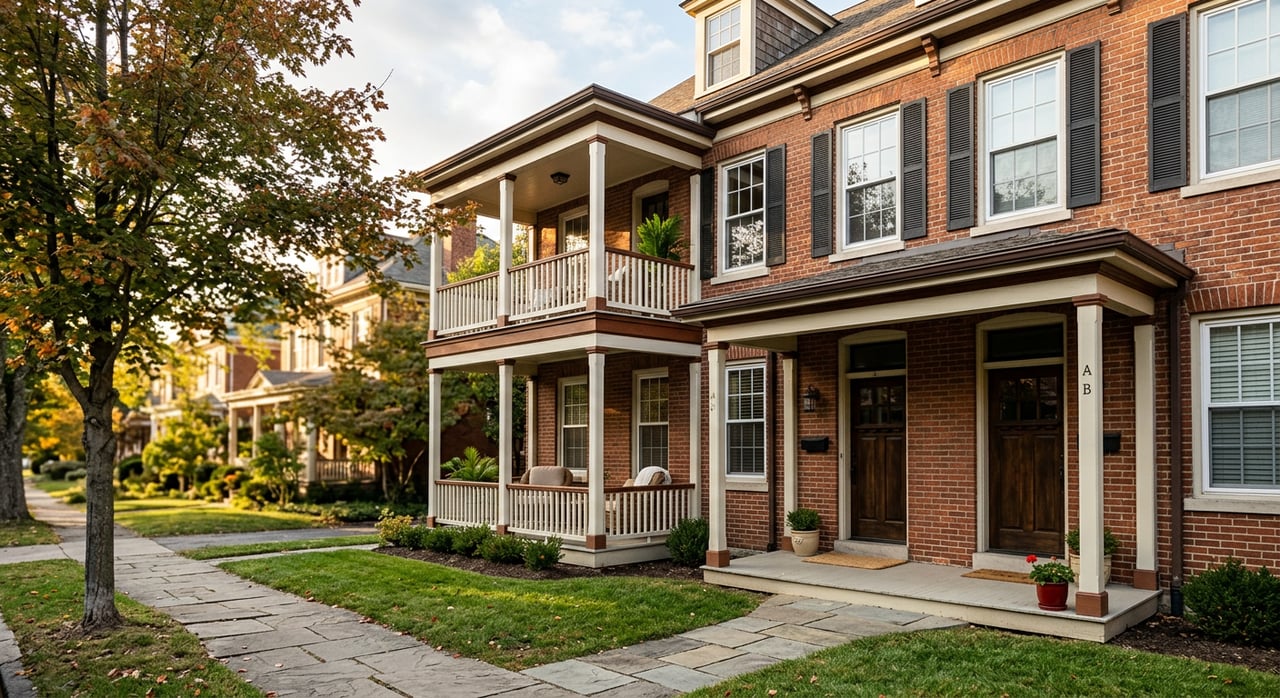
You’ll most often see duplexes, small 2 to 6 unit walk‑ups with brick construction, and larger single‑family homes converted into multiple units. Rows, attached homes, and hillside properties with exposed basements are part of the local mix. Unit sizes and layouts vary widely, so confirm legal unit counts and bedroom configurations on every deal.
A large share of East Price Hill housing predates 1960, which raises the odds of lead‑based paint and deferred maintenance. Expect older mechanicals, dated kitchens and baths, and original windows in many buildings. Plan for lead‑safe work practices and scope your renovation accordingly. The City’s profile calls out housing age and potential lead risks, which should guide your budgeting. City neighborhood profile PDF
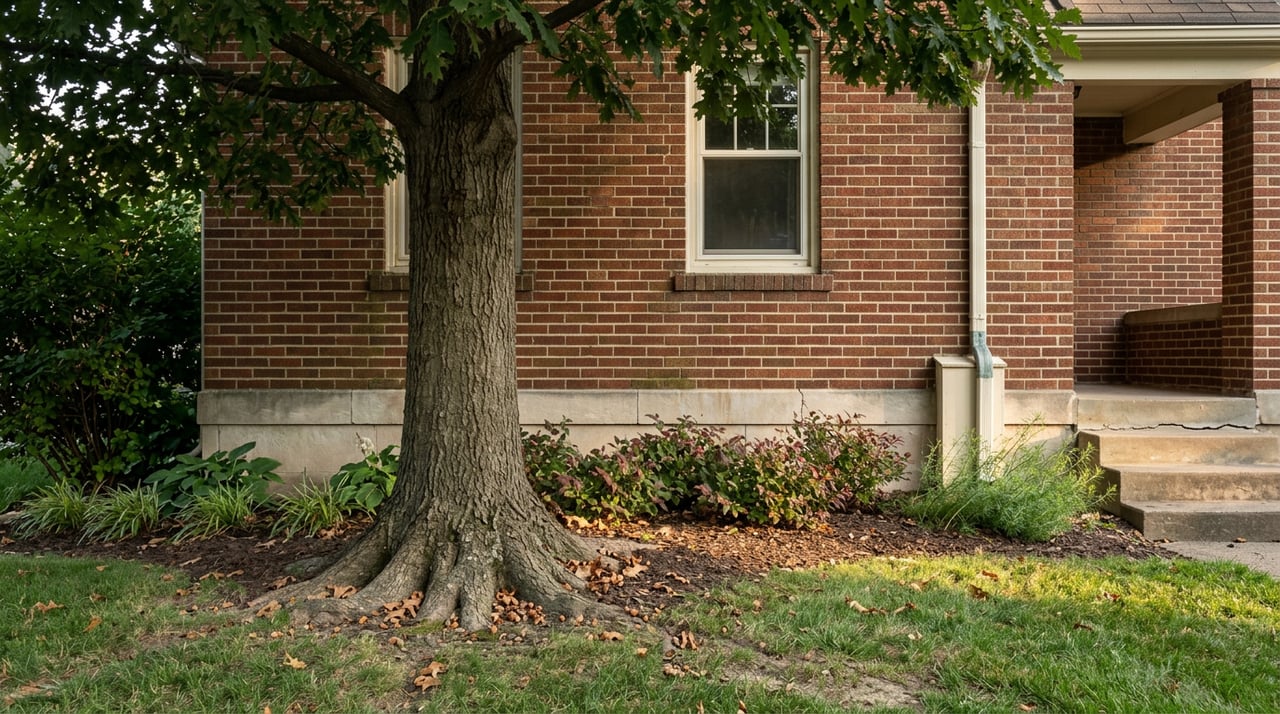
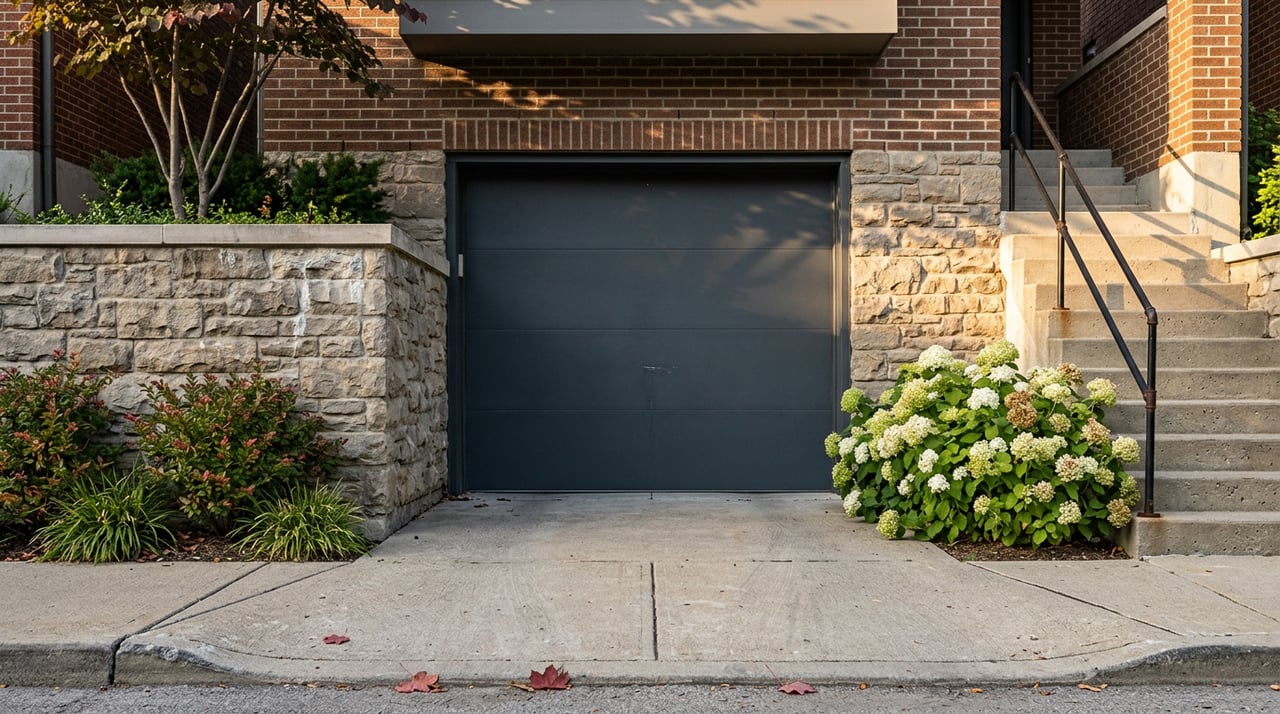
Hillside topography is common. On walkthroughs, focus on retaining walls and slope stability, drainage and basement water intrusion, porch and stair safety, and realistic parking access. Verify whether gas and electric are separately metered or on a master meter, how heat and hot water are provided, and what utilities you will be responsible for. Parking scarcity can lower rent tolerance, so factor it into rent comps.
Start with current, nearby comps, then use these neighborhood‑level bands to sanity check your pro forma:
Cincinnati metro vacancy has normalized in recent periods, often reported around the mid‑6 to low‑7 percent range. Even if a current snapshot looks tighter, many lenders and appraisers use a minimum vacancy floor near 5 percent. For small, older buildings in East Price Hill, underwriting 7 to 10 percent vacancy is a prudent buffer. See loan disclosure guidance noting a common 5 percent floor to anchor your assumptions. SEC reference on underwriting floors
Operating expense ratios for small assets typically fall between 35 and 50 percent of Effective Gross Income. Your exact number will hinge on utilities, taxes, insurance, maintenance, and management. For capital planning, many lenders assume replacement reserves near $400 per unit per year, with higher needs likely in pre‑1960 buildings. SEC reference on reserves
If you will hire third‑party management, set 3 to 8 percent of EGI depending on property size and scope. Self‑management can reduce cash expenses but raises your operational risk and time cost, which you should still include in your valuation. Keep in mind that master‑metered utilities and shared systems can push your expense ratio higher, so confirm meter configurations early.
Suppose a 4‑unit trades at $260,000 and you can achieve $750 per unit per month. That is $3,000 per month or $36,000 per year in scheduled rent. With a 7.5 percent vacancy and a 45 percent expense ratio, Effective Gross Income is about $33,300 and Net Operating Income is about $18,315. That implies a cap rate near 7.0 percent at the purchase price. Adjust the inputs to reflect actual rents, utilities liability, and current taxes. To validate pricing and tax assumptions, pull the parcel’s record and sale history from the Hamilton County Auditor.
East Price Hill includes RMX and several RM districts, along with some single‑family zones. RMX generally permits one to three units, and RM districts define density by land area per unit. For example, RM‑0.7 means roughly 700 square feet of land per unit and RM‑1.2 means about 1,200 square feet per unit. Duplexes and small multifamily are typically allowed in RMX and RM districts. Always confirm the parcel’s exact zoning and yard or parking requirements on the City map. East Price Hill zoning map
Cincinnati requires Residential Rental Registration and operates a Residential Rental Inspection program. Certain properties are subject to periodic inspection and certificates. Owner‑occupied two‑family properties may be exempt from some RRI requirements, but you should verify for each parcel. Before closing, confirm the seller’s registration status, the presence of any RRI certificate, and whether there are open Orders or code cases. Start with the Buildings & Inspections portal and RRI FAQs. Buildings & Inspections | RRI FAQs
Community Reinvestment Area tax exemptions and related agreements have supported redevelopment on corridors like Warsaw Avenue. Incentives can materially improve your returns on targeted rehabs, especially in older buildings. Review recent City actions and speak with City Planning about current programs and eligibility for your project. City Council action example for Warsaw corridor
Use this list on your initial visit and document everything with photos and notes:
Red flags that often kill deals:
Fresh paint, durable flooring, LED lighting, updated interior doors, and new hardware are quick upgrades that improve photos and tenant appeal. Simple exterior polish around entries and porches can reduce vacancy days. Cosmetic refreshes often justify a 5 to 15 percent rent increase on a per‑unit basis when paired with clean marketing and prompt maintenance.
Budget guide per unit: about $3,000 to $12,000 for light cosmetic work.
Kitchen and bath refreshes, window repair or replacement, efficient water heaters, and targeted HVAC upgrades can lift rents and reduce maintenance calls. Where legal, converting a primary space into an additional bedroom can improve revenue per square foot.
Budget guide per unit: about $12,000 to $35,000 depending on scope and access.
Consider legalizing an accessory unit, converting a large single‑family to two legal units if zoning allows, or adding separate utility metering. On some lots, improving on‑site parking can support higher rents. These projects require more capital and time but can reset a building’s income profile.
Budget guide per unit: $35,000 and up for full gut rehabs or major mechanical replacements.
East Price Hill offers relative affordability compared with core Cincinnati neighborhoods, plus proximity to downtown at roughly 4 to 6 miles. Improving nodes around the Incline District and the Warsaw corridor can support rent growth for well‑located buildings. Community partners like EPHIA and periodic public investment add momentum in select pockets.
Older housing stock means higher near‑term capital needs. The City profile notes concentrated poverty and housing stress indicators, which can translate to higher turnover in some blocks. Underwrite conservative vacancy and turnover assumptions, check the property’s RRR and RRI status, and complete block‑level due diligence before you commit. City neighborhood profile PDF
East Price Hill assets often fit a cash‑flow and value‑add strategy rather than a pure appreciation thesis. Many investors target shorter renovation timelines to capture rent increases, then stabilize with solid management. If you are house hacking, the owner‑occupant potential can reduce your housing cost while you complete upgrades and dial in systems.
You deserve an experienced, local partner who can help you buy the right asset and operate it well. As a Cincinnati‑based team with multi‑family and investor experience, we help you:
If you’re ready to evaluate a specific property or want early access to new opportunities in East Price Hill, connect with the team at Johnson Real Estate Group. Let’s align on your returns, build the right plan, and go win the deal.



Every real estate journey is unique, and Johnson Real Estate Group is here to make yours unforgettable. We listen, strategize, and act with precision — ensuring your goals become our goals.