What if your next home could help pay for itself? If you’re thinking about buying in Cincinnati and want to lower your monthly costs while building equity, house hacking in East Price Hill is a practical path. You live in one unit and rent the others, which can offset the mortgage and create a clear entry into investing. In this guide, you’ll learn the local property types to target, financing options, key legal checks, simple rent math, and a step-by-step plan to get started. Let’s dive in.
Why East Price Hill
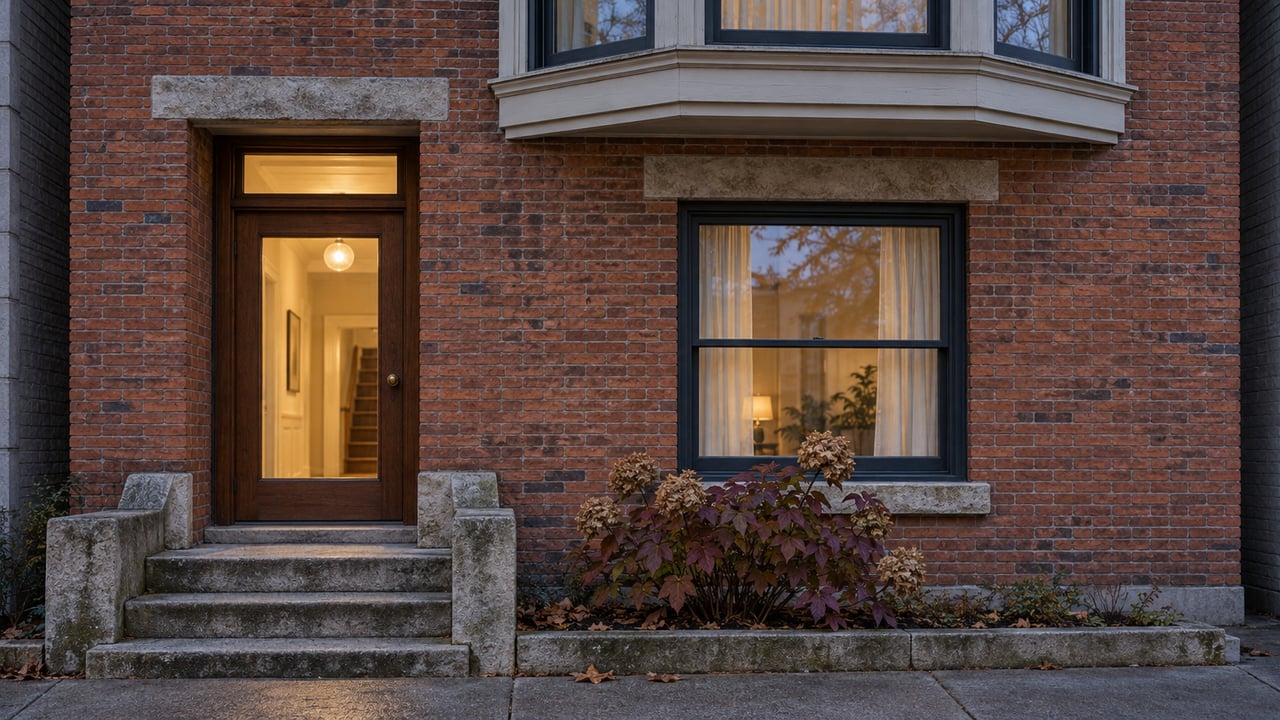
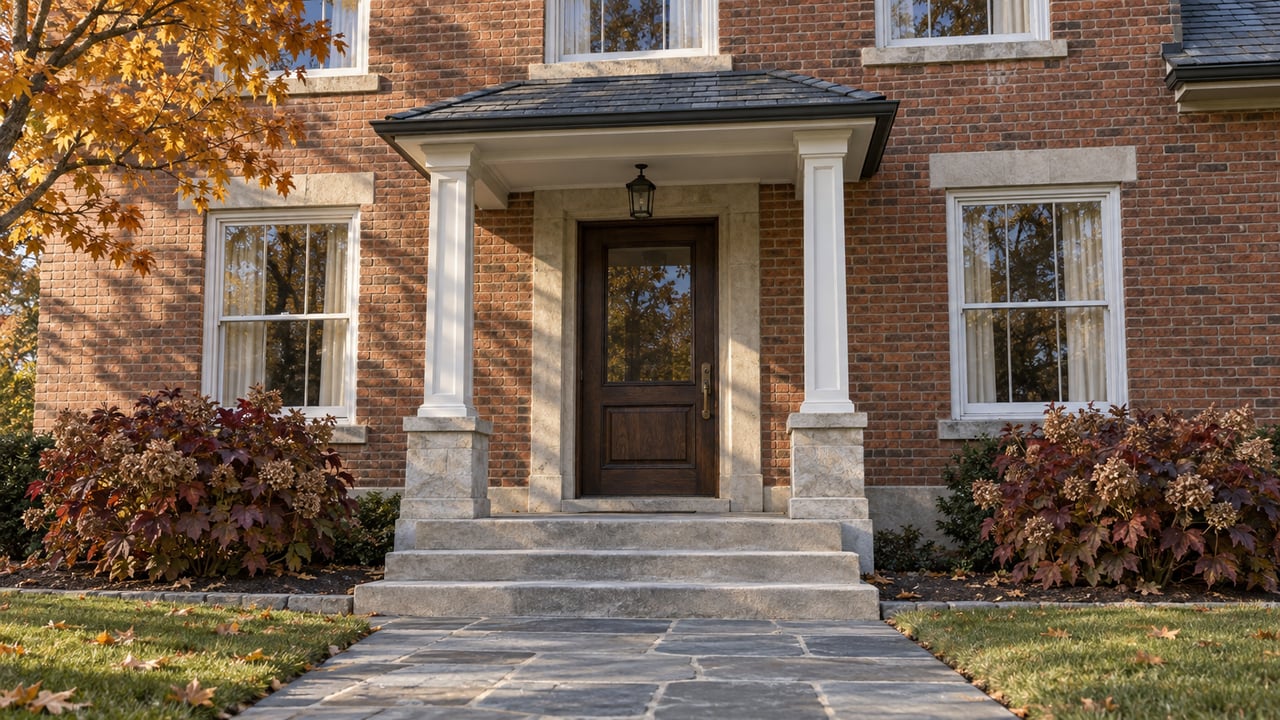
East Price Hill is a Cincinnati neighborhood with older housing stock and a strong mix of single-family homes and small multi-unit buildings. Many properties were built in the late 19th to early 20th century, which is common for the city’s hilltop communities. That means you can often find duplexes and 3- to 4-unit buildings on narrow lots with walkable street patterns. These features make the area a natural fit for owner-occupied house hacks.
Local details like pricing, rent levels, and inventory change quickly. You should verify current listings, recent comparable rentals, and any zoning rules before you write an offer. Parking can be tight on older streets, so off-street options add value. Proximity to amenities and transit can also support demand for smaller 1- to 2-bedroom rentals.
Property types to target
The best entry point depends on your experience, budget, and comfort with management. Here are common options you’ll see in East Price Hill:
- Duplex: The most straightforward house hack. Live in one unit and rent the other. Many are stacked with one unit per floor, or side-by-side with mirror layouts.
- Triplex or fourplex: More rental income potential with added complexity. You live in one unit and rent the rest.
- Single-family with accessory unit: Less common, but some older homes include a legal basement or carriage unit. Confirm that any accessory space is permitted for residential use.
- Historic conversions: Older multi-story houses sometimes split into small apartments. Look for separate entrances and code-compliant kitchens and baths for each unit.
Common layouts you’ll find
Knowing layouts helps you screen faster online and in person:
- Stacked duplex: One flat downstairs and one upstairs. Often separate entrances and easy tenant separation.
- Side-by-side duplex: Mirror layouts with a shared center wall. These may have separate utility meters, which simplifies management.
- Floor-by-floor triplex: Each level is its own 1- to 2-bedroom unit. Verify stairway safety and egress.
- Basement apartment plus upper units: Basement spaces are smaller and need careful vetting for egress, dampness, and permits.
Many units fall in the 600 to 900 square foot range, which fits singles or couples well and tends to rent steadily when priced and presented correctly.
Features that boost viability
Focus on features that make renting simpler and legal compliance easier:
- Separate utility meters: Having gas, electric, and water metered per unit is a major win. Shared utilities increase owner workload.
- Separate entrances and solid sound separation: Better privacy for you and tenants.
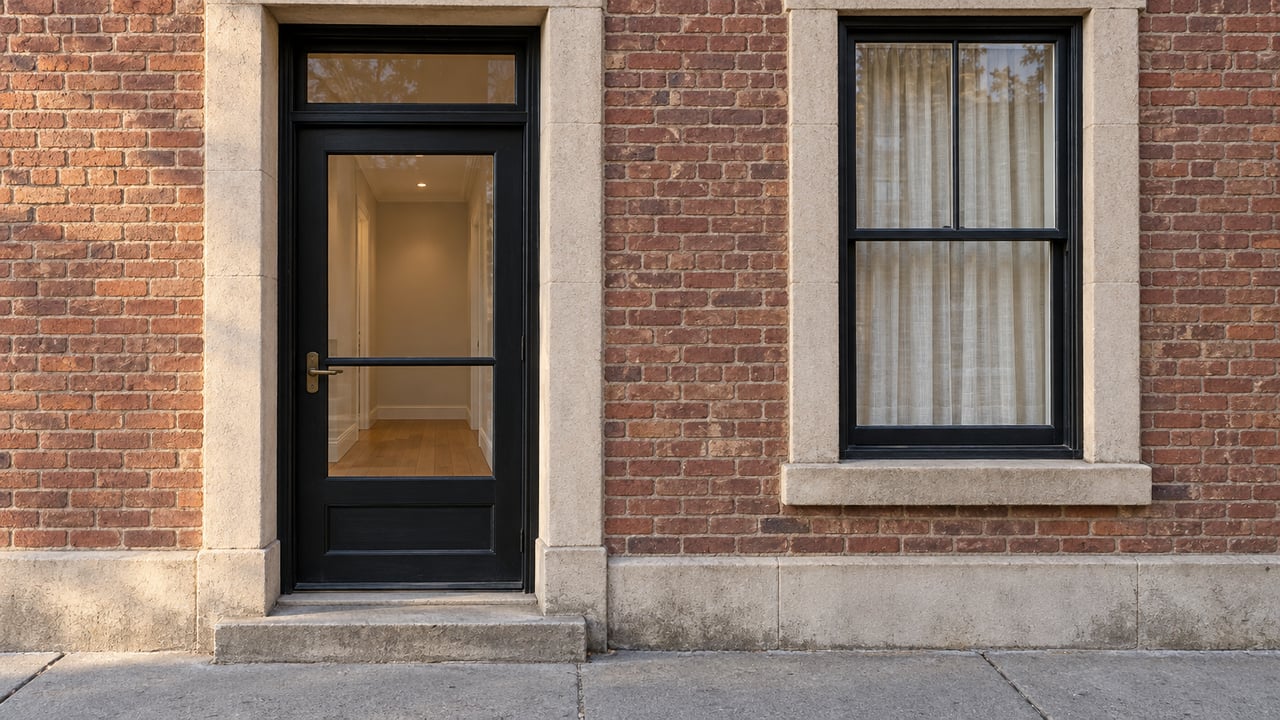
- Kitchens and baths per unit: Each unit must stand on its own legally and functionally.
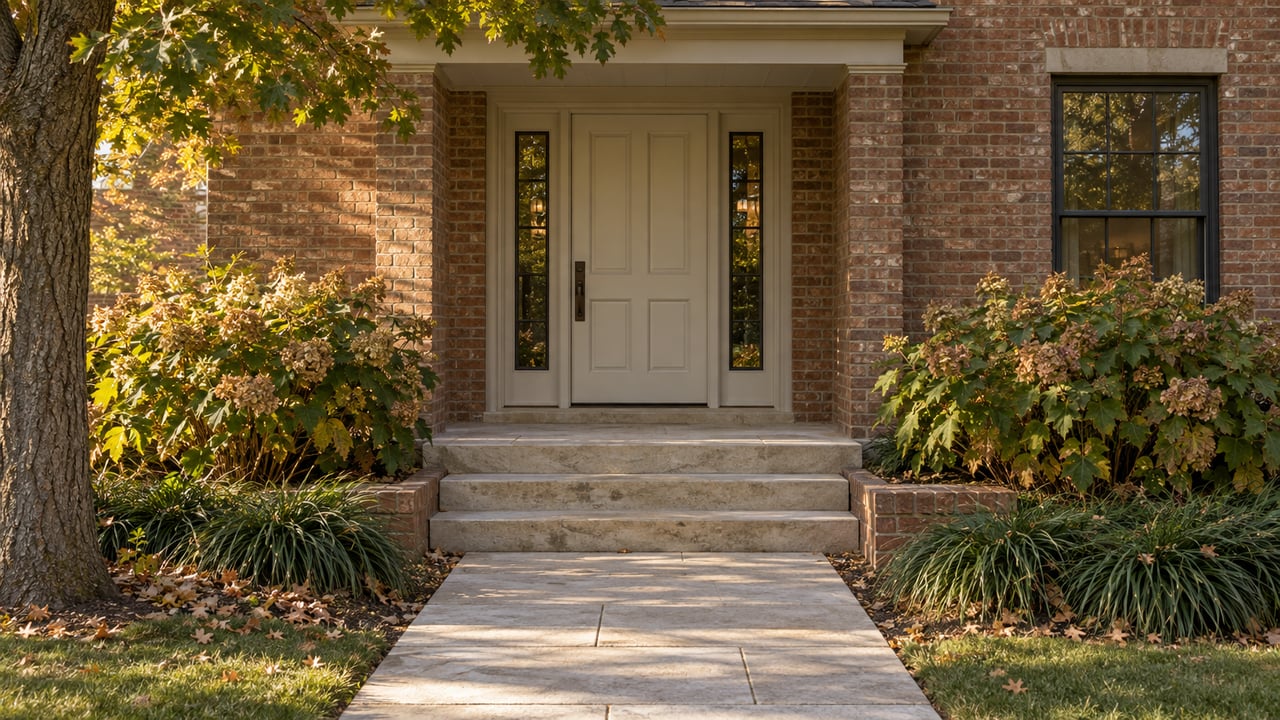
- Off-street parking: Driveways or garages help in older urban blocks where street parking is limited.
Financing options for 2-4 units
Owner-occupied financing for small multi-families exists, and some programs consider projected rent when qualifying. Speak with a lender experienced in 2- to 4-unit loans before you shop.
- FHA loans: Often allow as little as 3.5 percent down for qualified buyers on 2- to 4-unit properties. FHA 203(k) can roll renovation costs into the loan for properties that need work.
- Conventional loans: Available for owner-occupied multi-units. Down payment and credit needs are usually higher than FHA. Many lenders use a conservative percentage of market rents when you qualify.
- VA loans: Eligible veterans can buy up to a 4-unit property to live in one unit. VA rules and occupancy timelines apply.
Lenders may not count 100 percent of market rent in your debt-to-income ratio. Ask how they will treat rent from vacant units and what documentation they need.
Legal and regulatory checks
Older multi-units often have history and past work. Verify details up front to avoid surprises.
- Zoning and permitted use: Confirm that the number of units matches what is legally allowed for the property. The property’s current configuration must align with Cincinnati zoning and building codes.
- Certificates of occupancy and permits: Make sure any conversion, including basement apartments, was properly permitted and has the correct certificate.
- Rental registration and inspections: Many municipalities require landlords to register and may require periodic inspections. Confirm current City of Cincinnati rules before closing.
- Ohio landlord-tenant law: Learn the basics on security deposits, required disclosures, habitability, and procedures.
- Lead paint: Most housing built before 1978 requires a federal lead disclosure. Rehab work may require lead-safe practices under EPA rules.
- Building and safety codes: Pay attention to egress windows, smoke and CO alarms, stair safety, and adequate electrical capacity.
- Property taxes and assessments: Check with the Hamilton County Auditor for taxes and any special assessments that can affect cash flow.
Run the numbers: a simple hypothetical
The goal of a house hack is to reduce your net housing cost. Use conservative rent and expense estimates, add a vacancy allowance, and budget for repairs. The example below is illustrative only and uses hypothetical numbers.
- Property: 3-unit building. You live in one unit and rent two.
- Hypothetical rents: Unit B at 800 dollars per month and Unit C at 700 dollars per month. Gross rent is 1,500 dollars per month.
- Mortgage payment: 1,600 dollars per month including principal, interest, and escrow.
- Operating expenses (monthly estimate):
- Taxes and insurance: 300 dollars
- Maintenance reserve: 100 dollars (about 5 to 10 percent of gross rent)
- Vacancy allowance: 120 dollars (about 8 percent of gross rent)
- Owner-paid utilities: 100 dollars
- Total operating expenses: 620 dollars
- Net Operating Income: 1,500 minus 620 equals 880 dollars per month.
- Net housing cost to you: 1,600 minus 880 equals 720 dollars per month.
- Rent-offset percent: Gross rent of 1,500 compared to the total monthly housing cost indicates a high offset in this scenario.
In this hypothetical, the tenant rent almost covers the mortgage and many expenses, which lowers your out-of-pocket housing cost. Always stress test your numbers with lower rent, higher vacancies, and bigger repair budgets. That protects you if the market softens or a major system fails.
Step-by-step: from search to close
Use this practical workflow to move with confidence.
Step 1: Prep and pre-approval
- Get pre-approved with a lender who understands FHA, VA, and conventional guidelines for 2- to 4-unit properties.
- Define your target net housing cost and down payment budget.
- Set non-negotiables like unit count, separate meters, parking needs, and your preferred walkability or commute range.
Step 2: Smart MLS filters
- Filter for duplex, triplex, fourplex, or small multi-family.
- Review beds and baths per unit when listed. Scan for key terms like updated, rehab, turnkey.
- Map to East Price Hill and include nearby blocks if inventory is tight.
- Set alerts for new listings and price changes so you can act fast.
Step 3: Screen listings fast
- Confirm real unit count and layout. Look for at least one kitchen and one bath per unit.
- Check for separate utility meters in the description or photos.
- Note any owner-occupied history, rent rolls, or tenant details provided.
- Use online street views to assess entrances, curb appeal, and parking options.
Step 4: Build conservative rent comps
- Pull recent 1- to 2-bedroom rental comps within 0.5 to 1 mile, matching size and condition.
- Discount market rents by a vacancy factor of 5 to 10 percent.
- Set a maintenance reserve of 5 to 10 percent of gross rent.
Step 5: Structure a protective offer
- Include financing and inspection contingencies.
- Add a contingency to verify legal unit status, permits, and certificates.
- Negotiate time to obtain repair quotes for major systems if the inspection flags issues.
Step 6: Inspect and verify
- Structure and systems: Roof age, foundation, signs of water in basements or cellars, HVAC, plumbing, and electrical. Ask if any knob and tube wiring is present and whether upgrades meet local code.
- Life safety: Smoke and CO alarms, egress windows in any basement unit, and stair safety.
- Utilities and meters: Confirm whether gas, electric, and water are separate. Ask for recent utility bills.
- Permits and conversions: Verify with the Cincinnati building department that all units are legal and permitted. Request certificates of occupancy.
- Environmental concerns: Pre-1978 buildings require lead disclosures. Be alert for asbestos in older materials. Moisture, mold, and pest issues need swift attention.
- Tenant files: If occupied, request leases, security deposit records, and a rent roll to confirm income history.
Step 7: Close and manage well
- Confirm insurance requirements for owner-occupied multi-units. These differ from single-family policies.
- Prepare for landlord duties, including onboarding tenants, maintenance schedules, and bookkeeping.
- Build a reserve fund. A common guideline is 5 to 10 percent of gross rent annually for capital repairs.
Practical tips for first-time house hackers
- Start with a duplex if you’re new to management. It keeps operations simpler than 3 to 4 units.
- Prioritize separate meters and entrances. These reduce headaches and clarify responsibilities.
- Budget time and cost for renovations. Many older East Price Hill properties need system updates, and thoughtful improvements can support higher rents after completion.
- Consider professional management if you prefer a hands-off approach. Factor an 8 to 12 percent management fee into your cash-flow plan.
Common pitfalls to avoid
- Overestimating rent: Use recent local comps and build in a vacancy allowance.
- Ignoring capital items: Roofs, HVAC, plumbing, and electrical upgrades can be costly. Plan for them early.
- Skipping permits: Unpermitted units or work can derail financing and create legal issues.
- Underestimating utilities: Shared utilities can eat into your cash flow. Separate meters help.
- Rushing due diligence: Take the time to confirm zoning, certificates, and safety items before you waive contingencies.
How we help you succeed
Buying a small multi-unit is both a home purchase and a business decision. You deserve guidance that blends neighborhood expertise with investor-minded analysis. Johnson Real Estate Group is a Cincinnati-based team with experience across duplexes, 3- to 4-unit buildings, downtown condos, and more. We pair white-glove service with strong market coverage so you can move quickly and confidently.
Here’s how we support your house hack:
- Early-access alerts and targeted searches for East Price Hill multi-units.
- Data-driven guidance on rents, comps, and conservative pro formas.
- Due diligence coordination for permits, certificates, inspections, and insurance.
- Negotiation strategy that protects your financing and inspection timelines.
- Access to a broader network for potential off-market and office-exclusive opportunities.
Ready to find your first house hack in East Price Hill? Connect with the local team that knows the streets, the housing stock, and the process from offer to keys. Reach out to Johnson Real Estate Group to get started and Get Early Access to Listings.
FAQs
What is house hacking in East Price Hill?
- House hacking is when you buy a small multi-unit property, live in one unit, and rent the others to reduce your net housing cost while building equity.
How does FHA financing work for a duplex purchase?
- FHA commonly allows 3.5 percent down for qualified buyers on 2- to 4-unit owner-occupied properties, and some use 203(k) to finance renovations.
Can a VA loan fund a fourplex in Cincinnati?
- Yes, eligible veterans can use VA financing for up to 4 units if they occupy one unit, subject to VA rules and occupancy requirements.
What permits and certificates do I need for legal units?
- Confirm zoning, permits for any conversions, and obtain certificates of occupancy so each unit is legal for residential use in Cincinnati.
Do I need separate utility meters for each unit?
- Separate gas, electric, and water meters simplify management and cost allocation, but you should verify current configurations and actual utility bills.
How should I estimate rents for 1- to 2-bedroom units?
- Use recent local rental comps for similar size and condition, then apply a vacancy allowance and a maintenance reserve to build conservative projections.