Hyde Park's Fast Market Makes Sewer Scopes Worth a Closer Look
August 20, 2026
August 20, 2026
Say you're the buyer standing in front of a 1920s foursquare a block off Erie Avenue this month, and the listing agent mentions there are already four other offers. You know the playbook: come in strong, waive what you can, tighten the inspection window from ten days to three or skip it outright. What nobody mentions is that Hyde Park just posted its highest number of home sales in a few years and its fastest pace since 2019. That speed isn't free. Increasingly, it's being paid for by cutting the one check this particular neighborhood needs most.
Cincinnati Business Courier's analysis of MLS data found that four of the metro's top 10 home sales by price in July landed in the 45208 ZIP code, which roughly matches Hyde Park's boundaries. The area's median days on market dropped to their lowest recorded level since 2019, and the average sale price hit $834,000, a 33 percent jump from a year earlier and the third-highest increase of any ZIP code in the metro. Local 12 has the full breakdown.
A market that moves that fast rewards the buyer with the fewest contingencies attached. The home inspection contingency is usually the first one on the chopping block, since it creates a week or two of uncertainty for the seller and gives the buyer room to renegotiate or walk. In a bidding war, dropping it can be the difference between an accepted offer and a backup position. The problem in Hyde Park specifically is what a standard inspection was never built to catch in the first place.
A general home inspector covers the roof, the visible structure, the HVAC, the electrical panel, and the plumbing fixtures inside the house. What a standard inspection does not include, in Cincinnati or almost anywhere, is a camera run down the sewer lateral, the private pipe connecting the house to the street. That's a separate line item, and it's the one buyers under deadline pressure are most likely to skip.
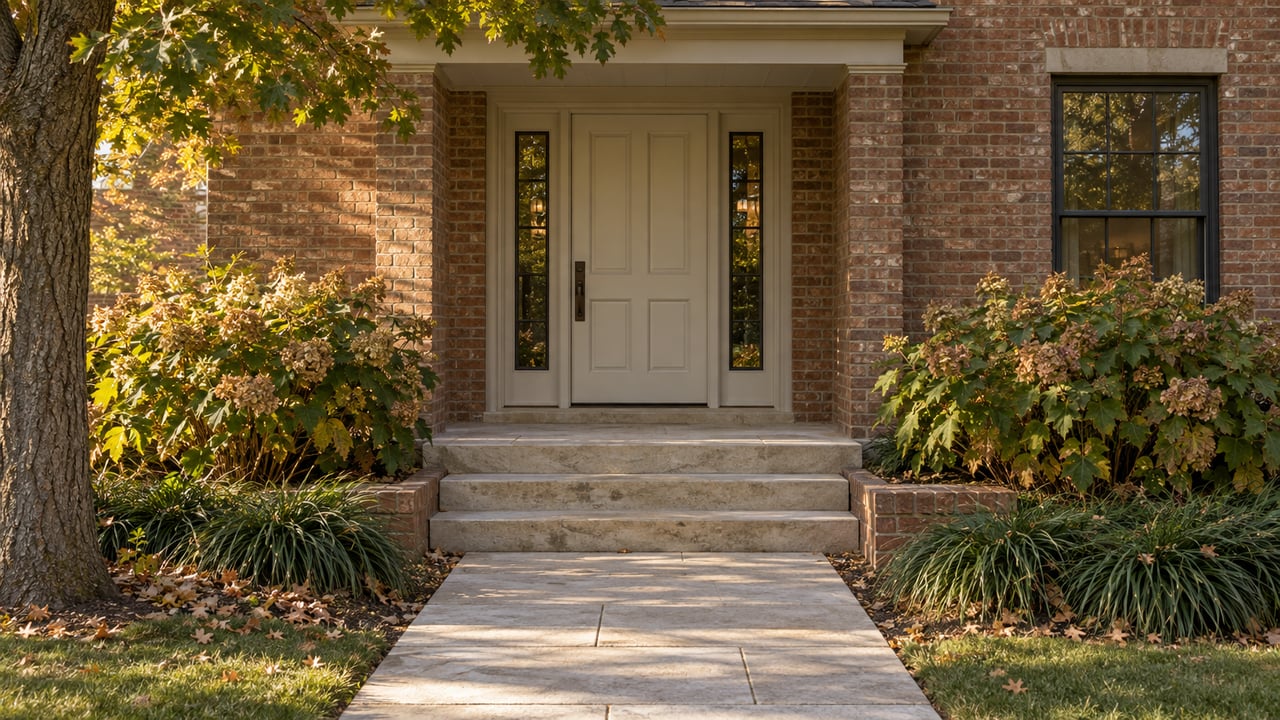
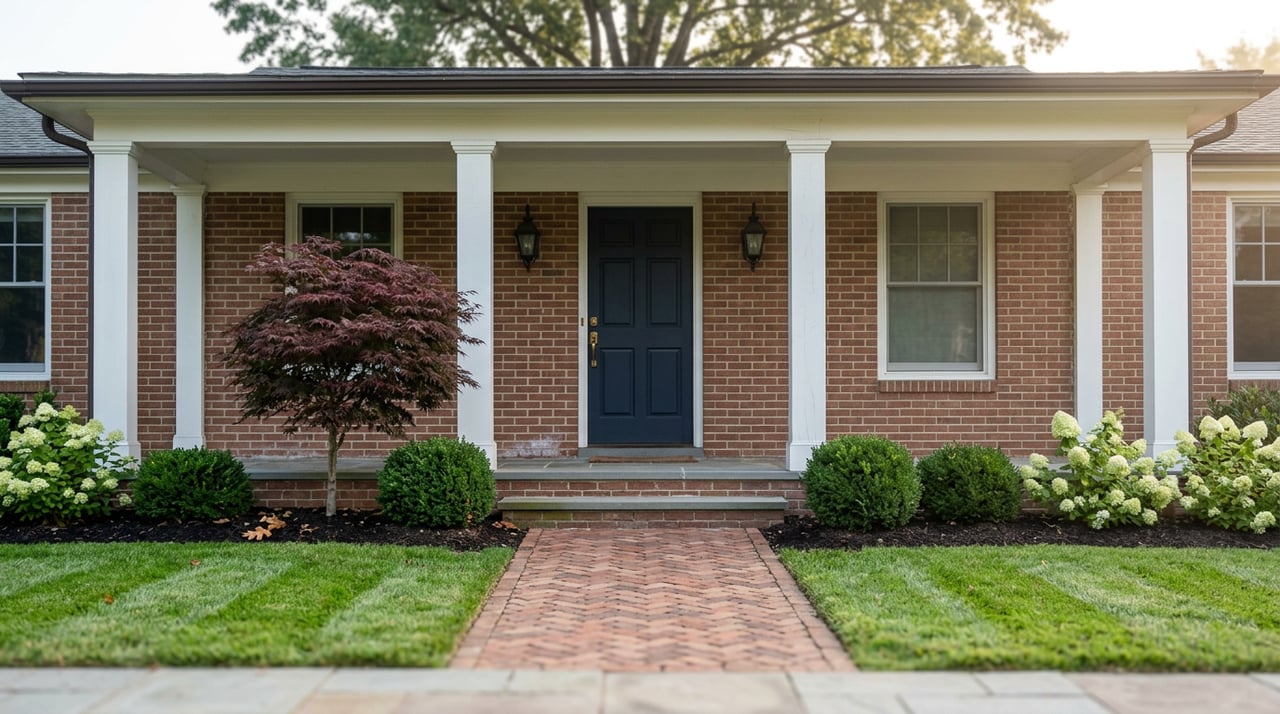
This matters more in Hyde Park than in newer parts of the metro because of what's actually buried in the yard. Homes here were largely built between 1900 and 1935, in the Arts and Crafts, colonial, foursquare, and Tudor Revival styles that give the neighborhood its character. Original laterals from that era are clay tile or cast iron, and both have a shelf life. Cast iron typically runs 50 to 100 years before failure, with deterioration commonly starting after 25. Clay tile laterals in the neighborhood have already absorbed 80 to 120 years of root pressure. None of that shows up on a visual walkthrough.
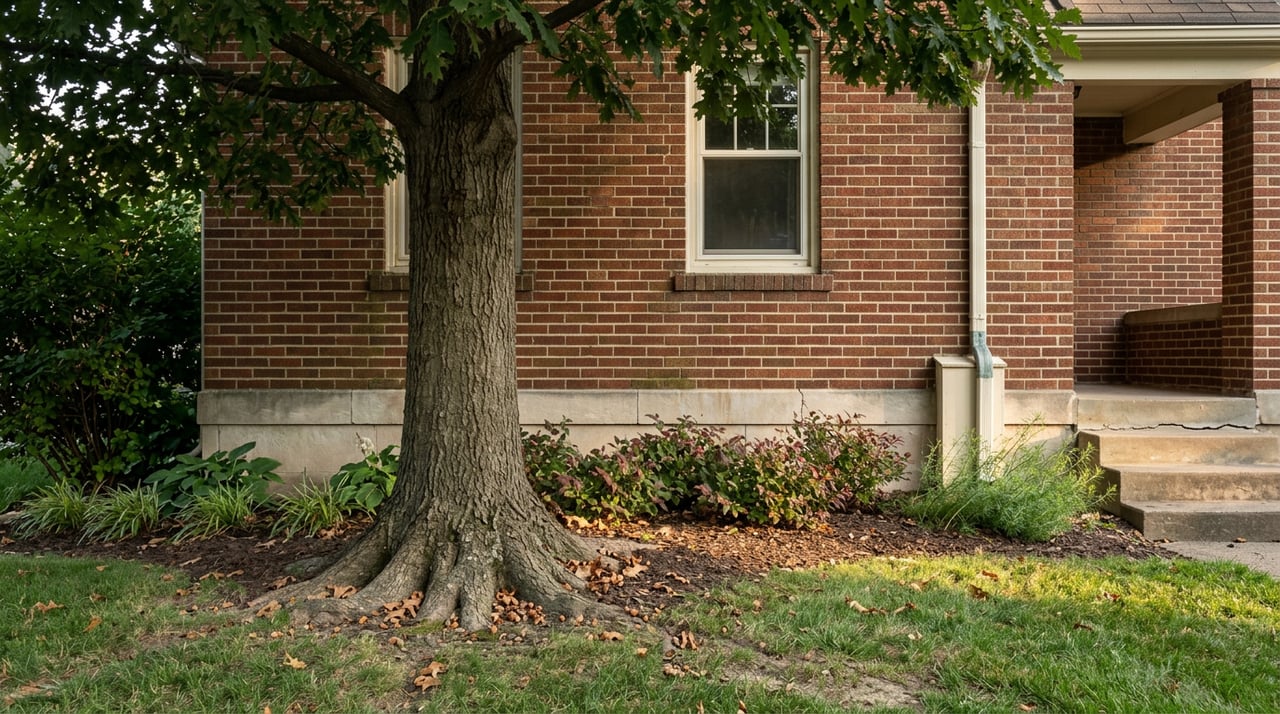
The mature tree canopy that makes streets like Erie Avenue and Observatory Road so appealing is part of the same equation. Roots are drawn to the moisture inside a sewer line, and they find their way into aging clay and cast iron joints through hairline cracks that widen over decades. A local inspection firm serving Hyde Park describes finding corrosion or root intrusion routinely in the neighborhood's pre-war plumbing, alongside knob-and-tube wiring remnants and undersized electrical panels in homes built before the 1950s near Hyde Park Square and Madison Road.
Here's the part that turns this from a general old-house caveat into a specific Hyde Park calculation. A sewer camera inspection is a small upfront cost, generally in the $100 to $450 range depending on the plumber and access point. What it protects against is not small.
| Scenario | Typical cost |
|---|---|
| Sewer camera scope | $100 to $450 |
| Full lateral replacement, open-cut | $4,000 to $15,000 |
| Trenchless lining or bursting | $7,000 to $15,000 |
| Root clearing and hydro-jetting only | $350 to $600 |
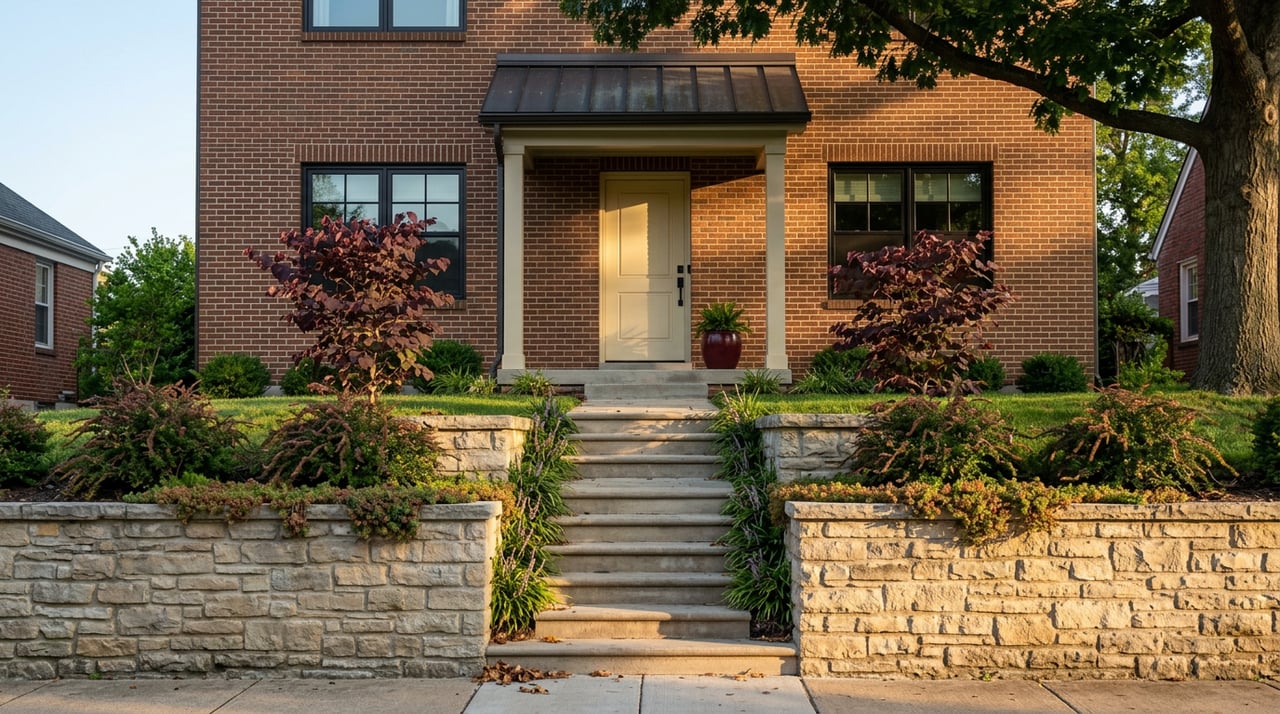
The trenchless numbers matter because of something specific to this neighborhood's lots. A local Hyde Park plumbing service notes that the neighborhood concentrates exactly the conditions that favor no-dig repair: established landscaping, specimen trees, and stone or brick walkways sitting directly over the lateral path. When the alternative to trenchless is losing a mature tree and rebuilding a walkway, the arithmetic tends to favor the no-dig premium even though it costs more than open trenching on paper. That's a real cost a buyer inherits the day after closing if a scope was never run, and it's a cost that has nothing to do with the price on the settlement statement.
In a slower market, a buyer has room to request the scope, wait a few extra days for scheduling, and negotiate a credit if the report comes back bad. In a market where four of the region's ten highest sales in a single month happened in one ZIP code, that room disappears. The pressure to compete pushes buyers toward the shortest possible list of conditions attached to an offer, and a sewer scope, which typically has to be scheduled separately from the general inspection, is an easy one to drop when every day of delay might cost the house.
Days on market at a multi-year low. Total sales at a multi-year high. Four of the ten priciest sales in the metro, in one ZIP code, in a single month.
The instinct to move fast isn't wrong. The instinct to treat every contingency as equally disposable is where buyers get hurt, especially in a neighborhood where the housing stock's age creates a specific, quantifiable, and largely invisible risk sitting a few feet under the front lawn.
Waiving a contingency to win a competitive offer is a real strategy, not a mistake by definition. The question is which ones to keep.
A pre-offer scope solves the actual problem. It lets a buyer submit an offer with no inspection contingency, which is what wins in a multiple-offer situation, while still knowing the condition of the one system a standard walkthrough will never touch. The scope itself takes well under an hour to run and the cost is a rounding error against a purchase price now averaging over $800,000 in the ZIP code.
Does a standard Ohio home inspection include a sewer scope? No. A general inspection covers visible systems and structure. A sewer camera scope is a separate service, usually booked through a plumber or a specialty inspection company, and it has to be scheduled apart from the main inspection appointment.
Will scheduling a sewer scope slow down my offer? Not if you run it before you write the offer. Buyers who scope a home during the showing period can submit with zero inspection contingency and still know the sewer line's condition, which is often the strongest kind of competitive offer in a fast market.
Is trenchless repair worth it if I don't plan to stay in the home long term? In Hyde Park, often yes, because the alternative usually means losing mature trees or rebuilding walkways and driveways sitting over the lateral path. That restoration cost frequently outweighs the price difference between trenchless and open-cut repair, regardless of how long you plan to own the home.
What if the seller says the sewer line has never had a problem? A functioning line today doesn't tell you its age or remaining life. Clay tile and cast iron laterals in homes built in the early 1900s have already used up most or all of their expected lifespan even if nothing has backed up yet, which is why a camera scope can help assess the sewer line's condition, rather than relying only on a seller's memory.
Moving fast in a competitive market and moving carefully aren't opposites. The buyers doing best in Hyde Park right now are the ones who front-load the diligence that actually matters and let go of the parts that don't. If you're weighing an offer on a Hyde Park home, or trying to figure out which contingencies are safe to release in this market, Johnson Real Estate Group can walk you through both the offer strategy and the local specifics before you sign anything. Get early access to listings and talk through your approach before you're standing in front of your own bidding war.
This article is general information, not legal, tax or financial advice. Consult a qualified professional about your situation.

Every real estate journey is unique, and Johnson Real Estate Group is here to make yours unforgettable. We listen, strategize, and act with precision — ensuring your goals become our goals.