Trying to choose between a starter single-family home and a condo in Mount Lookout? You are not alone. Many first-time buyers weigh character and outdoor space against low-maintenance living and a walkable lifestyle. In this guide, you will learn how to compare true monthly costs, what to check in condo associations, the lifestyle tradeoffs that matter in Mount Lookout, and how each option can affect resale. Let’s dive in.
Why Mount Lookout appeals to first-time buyers
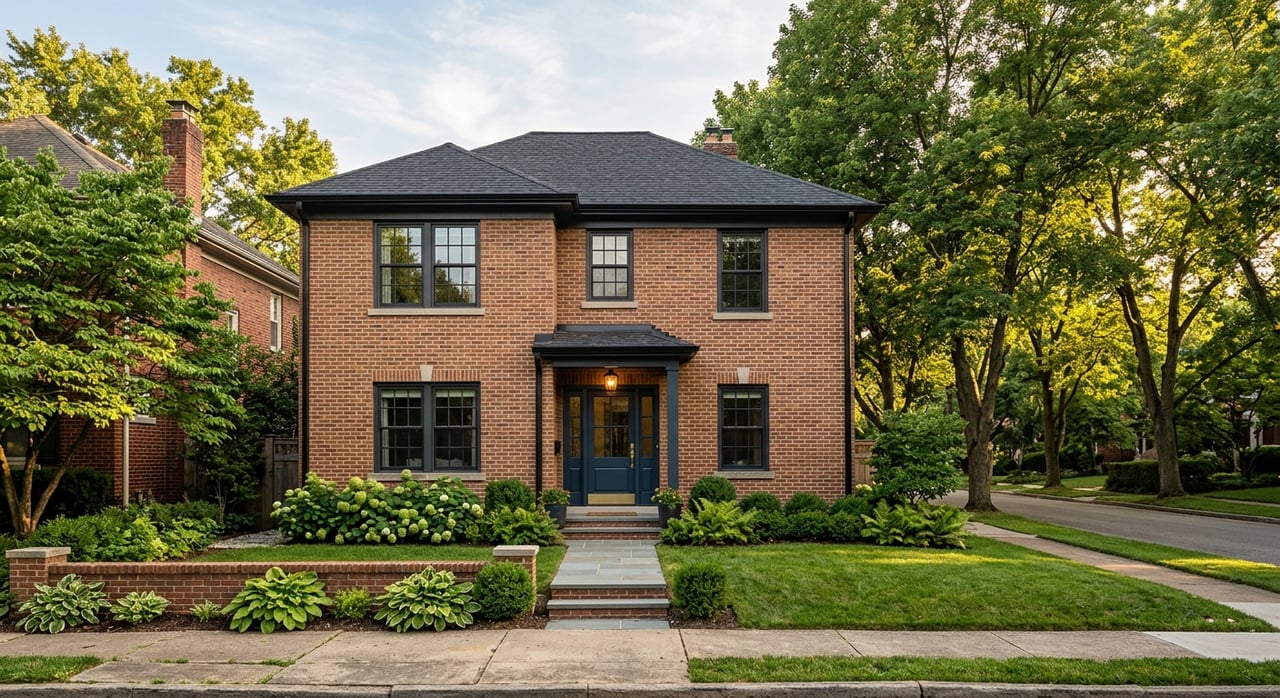
Mount Lookout sits on Cincinnati’s east side in Hamilton County. You will find a mix of older single-family homes, smaller infill houses, townhomes, and several condo communities. The neighborhood draws young professionals and small households who value a short commute to downtown Cincinnati, quick access to Hyde Park and Oakley, and nearby parks like Mount Lookout Park.
If you want neighborhood character and convenient access to local restaurants and recreation, both entry-level houses and condos can work. Your best choice comes down to total monthly cost, how hands-on you want to be with maintenance, your parking needs, and how long you plan to stay.
Monthly cost: what to compare
Price tags do not tell the full story. Build a simple, apples-to-apples worksheet so you can compare a specific house and a specific condo side by side. Include these line items:
- Mortgage principal and interest
- Property taxes from the assessed value and current millage
- Insurance (HO-3 for a house, HO-6 for a condo interior)
- HOA or condo fees, plus what they cover
- Utilities you pay directly
- Routine maintenance allowance
- Parking costs or city permits if applicable
- A reserve or special assessment allowance for condos
For accurate taxes, pull the parcel record from the Hamilton County Auditor. For condo fees and coverage, review the association’s current budget and master insurance policy.
How to build your worksheet
- Start with the list price and your down payment to estimate principal and interest with your lender.
- Add the annual property tax from the Auditor site, divided by 12.
- Get an insurance quote for a house or an HO-6 quote for a condo. Ask what the condo master policy covers so you only insure your portion.
- Plug in the exact HOA fee and note services included. If water, trash, landscaping, or snow removal are covered, you can reduce those utility or maintenance lines.
- Add typical monthly utilities. If possible, ask the seller for recent statements.
- Include a monthly maintenance allowance for a house and a smaller interior-only allowance for a condo. Keep this consistent each month to smooth out surprises.
- Add any parking fees, city permits, or garage costs if relevant.
- For condos, include a small monthly set-aside for potential special assessments. You can adjust this based on the association’s reserves and upcoming projects.
Label any example you create as illustrative only. When you get serious about a listing, replace placeholders with current MLS pricing, the latest tax bill, your lender’s quote, and the building’s actual HOA fee and documents.
Condo due diligence: documents and approvals
A great condo can be a smart, low-maintenance buy, but you should review the association just as closely as the unit. Before writing an offer, request and read:
- Declaration, Bylaws, and Rules and Regulations
- Current budget, balance sheet, and income statement
- Reserve study or a recent statement of reserve fund balance
- Board meeting minutes for the last 12 to 24 months
- Insurance certificates for the master policy, including deductibles
- Owner-occupancy rate and any rental restrictions
- Delinquency rate for HOA dues
Financing can depend on the project. If you plan to use FHA or VA, confirm early whether the building is eligible. You can search projects using the HUD FHA condominium lookup. Lenders also review factors like litigation, ownership concentration, and commercial space within the project. Get clarity upfront to avoid delays later.
Insurance differences to know
- Single-family homes: Your HO-3 policy usually covers the structure, interior, personal property, and liability, with separate flood insurance if required.
- Condos: The association’s master policy usually covers the building exterior and common areas. You typically carry an HO-6 policy for interior finishes, personal property, and liability. Ask about loss assessment coverage and the master policy deductible to make sure your coverage fits the building’s requirements.
Lifestyle tradeoffs in Mount Lookout
Outdoor space and privacy
- Starter homes: Often include a private yard or garden space for pets, gardening, and outdoor dining. You have more control over additions like decks or fences, subject to city permitting.
- Condos: Expect smaller balconies or shared courtyards. Landscaping and exterior upkeep are handled by the association, which reduces your time commitment but can limit customization.
Maintenance and time
- Starter homes: You are responsible for roof, siding, HVAC, lawn care, snow removal, and more. Plan a steady monthly allowance to handle routine maintenance and save for larger projects.
- Condos: The association manages exterior and common-area maintenance, while you handle interior items. Monthly dues replace some surprise costs with predictable fees, but you trade control for convenience.
Parking and permits
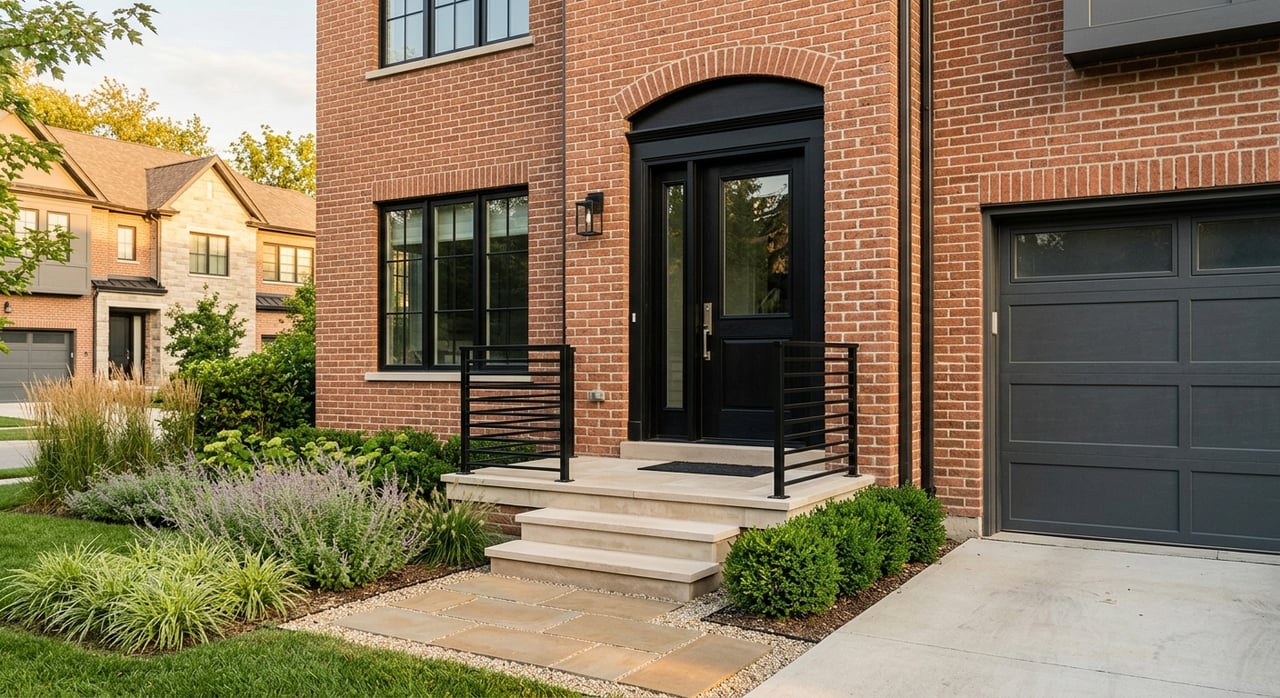
- Starter homes: Many include a driveway or garage. Verify that off-street parking is deeded and check any street restrictions on the block.
- Condos: You may have assigned or deeded spaces, a shared lot, or street parking. Confirm the number of spaces, guest policies, and any fees for extra vehicles. Review local rules through City of Cincinnati parking resources.
If you are considering exterior changes or additions to a house, review permitting guidance through City of Cincinnati Buildings and Inspections.
Resale outlook and buyer pool
Both options attract different buyer segments in Mount Lookout and the broader east side.
- Condos: Often appeal to young professionals and downsizers who want convenience and lower maintenance. Resale strength can depend on association health, owner-occupancy, and financing eligibility.
- Starter homes: Typically draw a broader buyer base over time, including households seeking private yards and long-term appreciation. Condition and recent system updates can influence demand and days on market.
Market dynamics change. Inventory shifts, new development nearby, and association factors can all move pricing. When you are ready to make a decision, have your agent pull recent comparable sales for both single-family homes and condos in Mount Lookout to benchmark pricing and time on market. That way you can set realistic expectations for future resale.
Quick checklist for showings
Use this short list to keep your comparisons consistent.
- HOA fee and coverage: What services are included? Ask for the current budget and reserve details.
- Board minutes and notices: Any special assessments in the last 12 months or under consideration now?
- Owner-occupancy and rental rules: How many owners live in their units? Any leasing caps?
- Insurance: What does the master policy cover and what is the deductible? Do you need loss assessment coverage?
- Parking: How many spaces, where are they located, and are they deeded or assigned? What is the guest policy?
- Systems and updates for a house: Roof age, HVAC servicing and age, electrical, plumbing, and any recent permits.
- Taxes and utilities: Pull the most recent tax bill from the Hamilton County Auditor and request recent utility snapshots.
- Financing: If using FHA or VA, confirm condo project eligibility using the HUD condo lookup and with your lender.
- Resale comps: Review sales in the same building or nearby blocks for a condo, and close-by single-family comps for a house.
Which one fits you today?
A few signals can point you in the right direction. Use them as a guide while you run your numbers and review documents.
- You may lean house if you want private outdoor space, flexibility for projects over time, and full control over maintenance decisions.
- You may lean condo if you prefer low exterior maintenance, like the idea of shared amenities, and value a predictable monthly budget.
- Think about your 3 to 5 year horizon. If you plan to move sooner, consider which option’s buyer pool will likely match your future listing and financing realities.
Local resources and next steps
When you are ready to compare active listings, reach out to the neighborhood team that pairs hyperlocal knowledge with full-service guidance. The Johnson Real Estate Group can pull fresh Mount Lookout comps, preview HOA documents, and share a simple cost worksheet to help you decide with confidence.
FAQs
What costs differ most between a condo and a house in Mount Lookout?
- Beyond mortgage and taxes, condos include HOA dues and a potential special assessment risk. Houses trade those for ongoing exterior maintenance and higher individual insurance costs.
How do HOA fees affect my affordability calculation?
- HOA dues are part of your monthly housing cost. Add them to your mortgage, taxes, and insurance, then subtract any services they cover, such as water, trash, or landscaping.
Can I use an FHA loan to buy a condo in Mount Lookout?
- Possibly. FHA financing depends on the building’s approval status. Check the project using the HUD FHA condo lookup and confirm with your lender.
What should I look for in an HOA’s financials?
- Review the budget, reserve fund balance or reserve study, dues delinquency rate, and any planned capital projects. Board minutes and insurance certificates provide important context.
How much should I budget for house maintenance as a first-time buyer?
- Set aside a consistent monthly amount for routine upkeep and larger items over time. Adjust based on the home’s age, size, and recent system updates.
How do I verify parking for a Mount Lookout condo?
- Confirm the number of spaces and whether they are deeded or assigned, ask about guest parking, and review any city rules through Cincinnati parking resources.
What are common condo red flags I should watch for?
- Low reserves, frequent special assessments, high rental percentages, active litigation, and unclear or restrictive rules can all affect financing and resale.