Do you love the character of brick façades, tall windows, and skyline views in Mt. Adams but wonder what you can actually change? You are not alone. Buying a historic home here is exciting, yet it comes with unique rules, timelines, and terrain challenges. In this guide, you will learn how to spot era-specific features, what historic review means for exterior work, and how to plan permits and projects without surprises. Let’s dive in.
Mt. Adams character and terrain
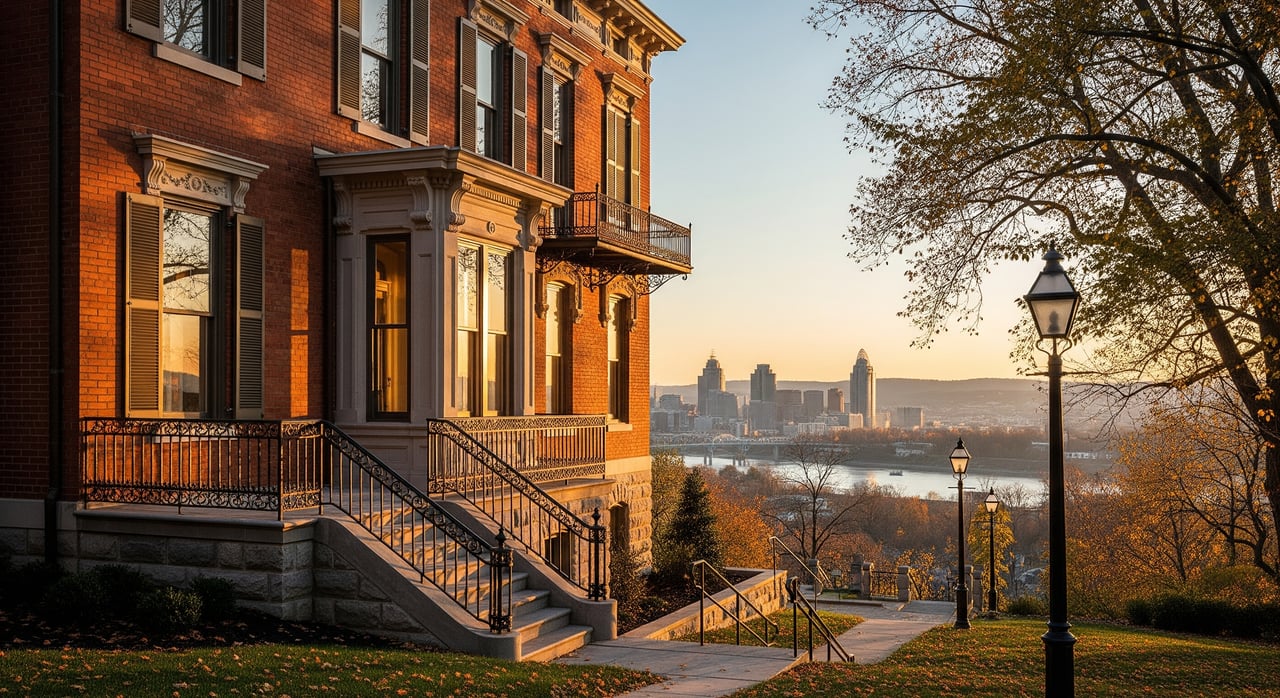
Mt. Adams is a compact hilltop neighborhood just east of downtown with many 19th and early 20th-century homes. Steep slopes, narrow streets, and terraced lots shape how properties are laid out and renovated. You will see a mix of masonry and wood-frame houses, many on tight lots with limited or no off-street parking. Retaining walls, stairs, and site drainage are part of the fabric and deserve close attention during due diligence.
Identify home styles by era
Understanding style cues helps you recognize original details and anticipate materials.
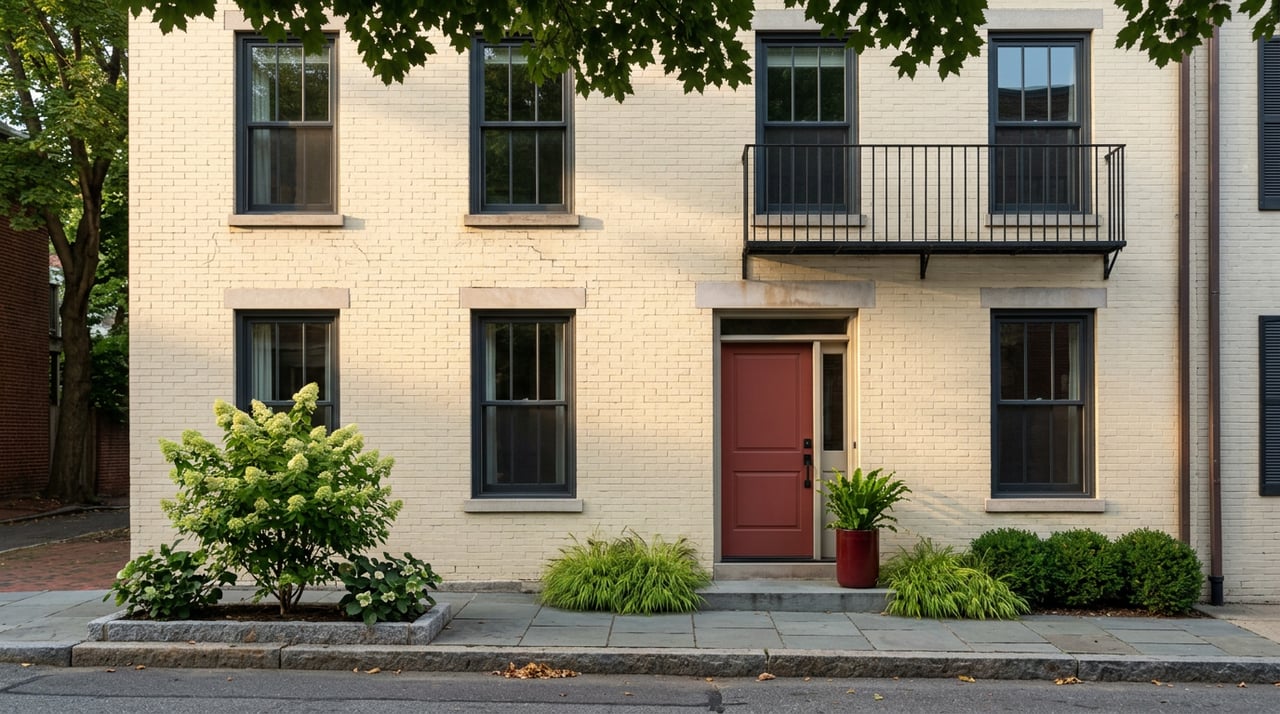
- Greek Revival / Federal: Simple rectangular forms, symmetrical façades, transom and side-lighted entries, narrow windows, brick or painted wood.
- Italianate: Tall, narrow windows with segmental or arched tops, bracketed eaves, low-pitched roofs, decorative cornices.
- Second Empire: Mansard roofs with dormers and ornamental trim.
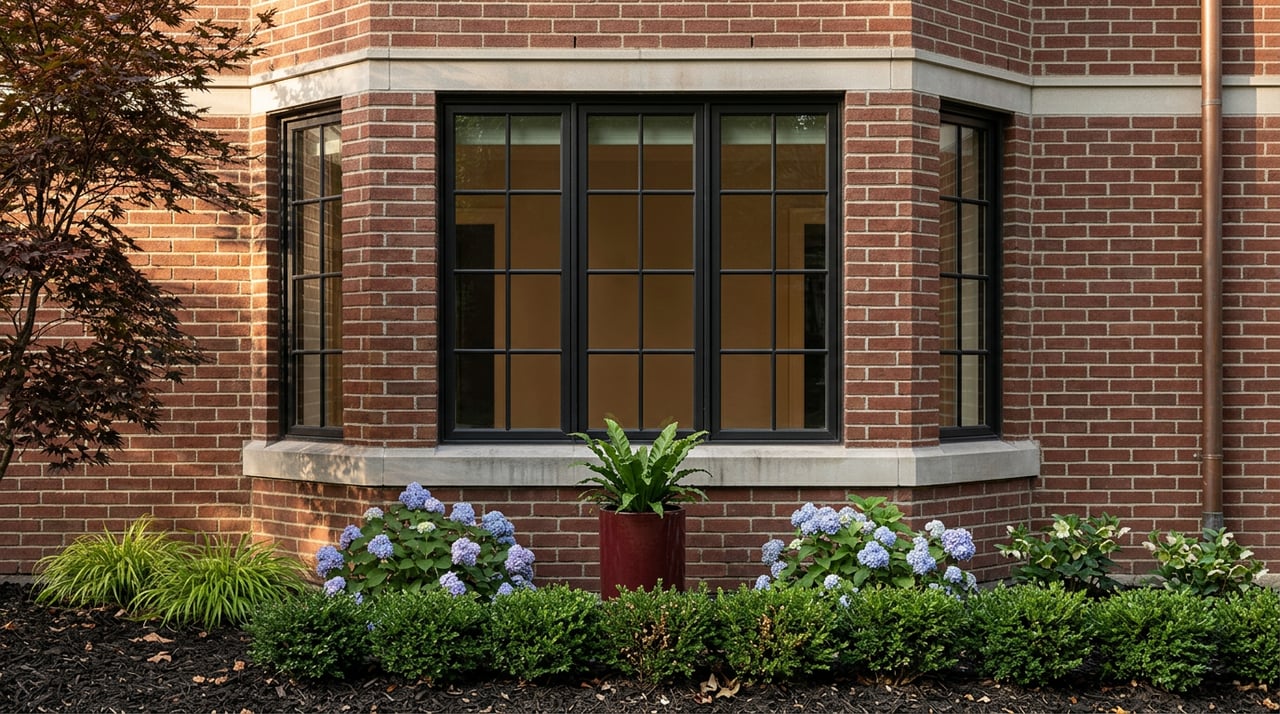
- Queen Anne / Victorian: Asymmetry, bay windows, decorative shingles, wrap porches, stained glass.
- Early 20th-century (Craftsman/Bungalow): Lower profiles, exposed rafter tails, tapered porch columns, built-ins.
- Vernacular hillside cottages: Smaller footprints, stepped foundations, terraces/retaining walls, narrow stair circulation.
Expectations inside the walls
Older systems are common and can affect scope and cost.
- Windows and walls: Single-pane windows, plaster walls, wood lath; uninsulated masonry walls and cold roofs are typical.
- Electrical and plumbing: Original or outdated systems may include knob-and-tube wiring and early plumbing, with capacity and safety considerations.
- Roofing: Older homes may have had slate or wood shingles; many have asphalt replacement roofs.
- Site features: Retaining walls and drainage systems are critical on steep lots and may require repair.
Historic designations to check
Designations influence how exterior changes are reviewed.
- Local designation: City-level districts or individual landmarks often carry the strictest review for visible exterior changes.
- National Register of Historic Places: Recognition of significance. Federal listing alone does not restrict private owners unless federal funding or permits are used.
- State or neighborhood overlays: May add guidance or incentives.
Action step: Confirm the property’s status with the City of Cincinnati Planning & Buildings Department and the Ohio Historic Preservation Office. You can also check National Register status through the National Park Service.
Exterior changes and approvals
If the property is locally designated, many cities require review for visible exterior work from the public right-of-way. In Cincinnati, historic review is commonly handled by a historic commission or board and may require a Certificate of Appropriateness before permits are issued. Interior work or non-visible changes typically are not subject to historic review, but standard building permits still apply.
Typical items under review include replacement windows, siding changes, porch alterations, additions, new garages, roof material changes, and exterior lighting or signage. You may be asked to repair historic windows or match historic siding profiles instead of replacing them with modern materials. If the home is only on the National Register and not locally designated, local restrictions on exterior changes may not apply, but you should still confirm with the city.
Permits and timelines
Historic homes reward patience. Approvals and lead times add up, especially for exterior projects.
- Building permit review: Plan for about 2–8 weeks, depending on complexity and backlog.
- Historic design review: Add roughly 4–12 weeks or more, depending on application completeness and meeting schedules.
- Contractor scheduling and materials: Expect about 4–12+ weeks for windows, custom trim, slate or metal roofing, and specialty items.
For a moderate exterior project that needs historic review and permits, a practical plan is 3–6 months from design start to permit plus contractor mobilization. Larger additions or complex restorations can take 6–12 months or longer. Plan for months, not weeks.
Sample project sequence
- Confirm designation and review needs with the city’s historic planner.
- Hold a pre-application conversation to test concepts and save time.
- Prepare drawings with an experienced contractor or architect.
- Submit a complete historic review application and building permit together when possible.
- Revise if requested, obtain the Certificate of Appropriateness, then secure the building permit.
- Schedule contractors and follow required inspections.
Due diligence checklist
Build strong contingencies and bring in the right specialists early.
- General home inspection: Structure, roof, drainage, and visible defects.
- Structural/foundation: Prioritize steep lots with retaining walls and stepped foundations.
- Chimney and fireplace: Masonry condition and liner status.
- Electrical: Identify knob-and-tube wiring, service capacity, and grounding.
- Hazardous materials: Lead paint in pre-1978 homes and potential asbestos.
- Pest and wood rot: Check porches, sills, and hidden framing.
- Sewer lateral and drainage: Age, slope-related concerns, and backups.
- Geotechnical or civil engineering: For major slope, retaining wall, or foundation work.
Budget and insurance
Historic charm often comes with higher maintenance and specialized work.
- Maintenance: Masonry repointing, wood trim repair, slate roofs, and cast-iron gutters may require periodic investment.
- Upgrades: Restoring original features can cost more than basic replacements, and specialty craftsmen may have longer lead times.
- Contingency: Set aside a larger renovation reserve, often 10–25% depending on condition and scope.
- Insurance: Older systems can trigger exclusions or higher premiums until upgraded. Your insurer may require certain improvements.
- Financing: Standard appraisals and inspections apply. Renovation loan options exist and usually require permitted scope and approvals.
- Tax credits: Federal and Ohio historic tax credits primarily apply to income-producing properties. Availability for private single-family homes is limited; verify with state and city offices.
Energy and systems upgrades
Improve comfort without losing character.
- Insulation: Focus on attics and basements or crawlspaces to boost efficiency with minimal impact on historic fabric.
- HVAC: Consider minimally invasive options such as ductless mini-splits when duct runs would damage historic materials.
- Windows: Evaluate restoration, storm windows, or interior/exterior secondary glazing. Where replacement is necessary, expect requirements for historically appropriate designs.
Buyer action plan
Set your purchase up for success with proactive steps.
- Ask the seller and listing agent for any prior Certificates of Appropriateness, permits, historic documentation, and maintenance records.
- Verify designation with the City of Cincinnati Planning & Buildings Department and consult National Register information.
- Include a historic-property contingency that allows time for inspections, cost estimates, and city review clarification.
- Pre-screen contractors and architects who have completed historic work in Cincinnati; request references and examples of local approvals.
- Schedule specialized inspections early so you can keep timelines on track.
- Ask targeted questions: Will visible exterior changes need review? What materials are typically approved? What is the board’s meeting schedule?
Local resources
- City of Cincinnati Planning & Buildings Department for historic conservation review, Certificates of Appropriateness, and permits.
- Ohio Historic Preservation Office for state guidance and potential incentives.
- National Park Service for National Register information.
- Local preservation organizations and historical societies for neighborhood history and best practices.
- Licensed contractors experienced with masonry, window restoration, slate roofing, and structural retrofit.
- Environmental and specialty inspectors for lead, asbestos, and geotechnical needs.
Buying in Mt. Adams means you get enduring character, city views, and a walkable hilltop setting. With a clear plan for historic review, permits, inspections, and budgets, you can preserve what makes your home special while tailoring it to the way you live. If you want seasoned guidance, neighborhood insight, and early access to listings, connect with the team at Johnson Real Estate Group.
FAQs
What makes Mt. Adams homes unique for buyers?
- Steep, terraced lots and narrow streets shape access and design options, and many homes feature 19th–early 20th-century materials that require specialized maintenance and review for visible exterior changes.
Do I need approval to replace windows in Mt. Adams?
- If the home is locally designated, visible exterior changes like window replacement often require historic review and a Certificate of Appropriateness; non-visible work may not, but confirm with the city.
How long do permits and approvals take for historic exteriors?
- Plan for roughly 3–6 months from design start to permits and contractor mobilization for moderate projects; larger or complex work can take 6–12 months or more.
Are historic tax credits available for my Mt. Adams single-family home?
- Federal and Ohio historic tax credits primarily target income-producing properties; availability for private single-family homes is limited, so verify with state and city offices.
What inspections are critical for a steep Mt. Adams lot?
- Include structural and foundation reviews, retaining wall and drainage assessments, chimney and electrical inspections, and a sewer lateral check.
Can I add a garage on a tight Mt. Adams lot?
- New garages are typically reviewed for scale and materials, and site constraints like slope and access can limit options; discuss feasibility with the city’s historic staff early.