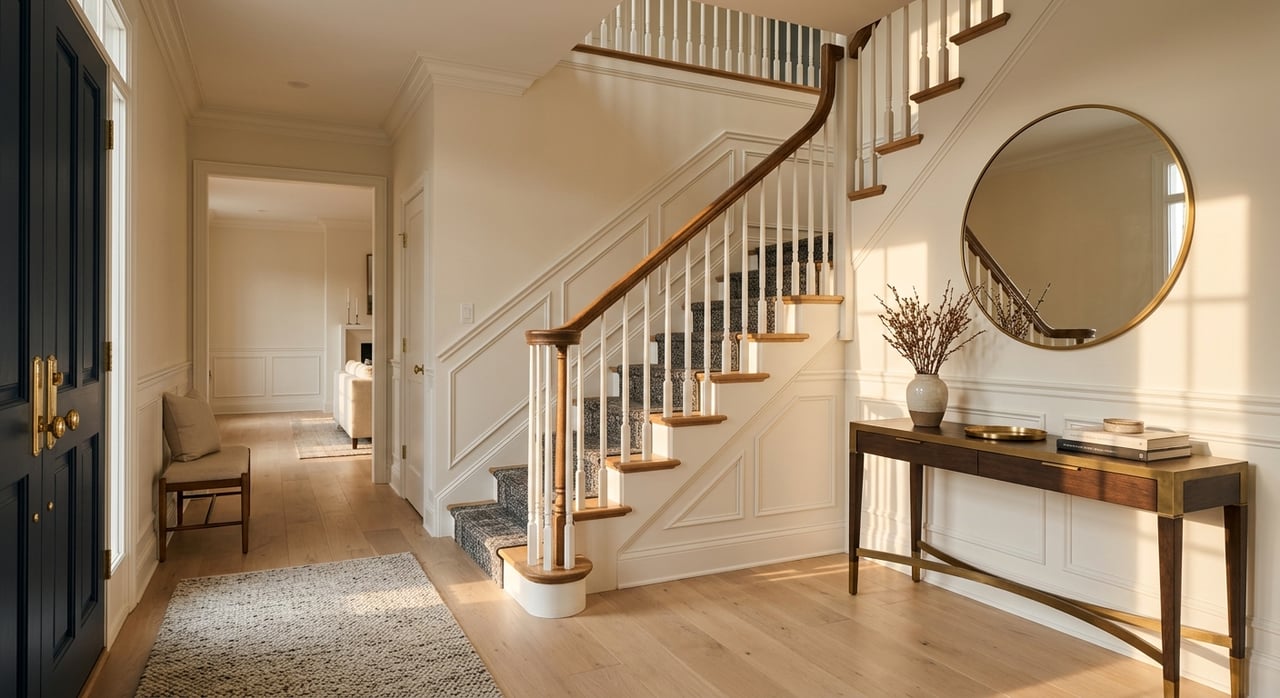
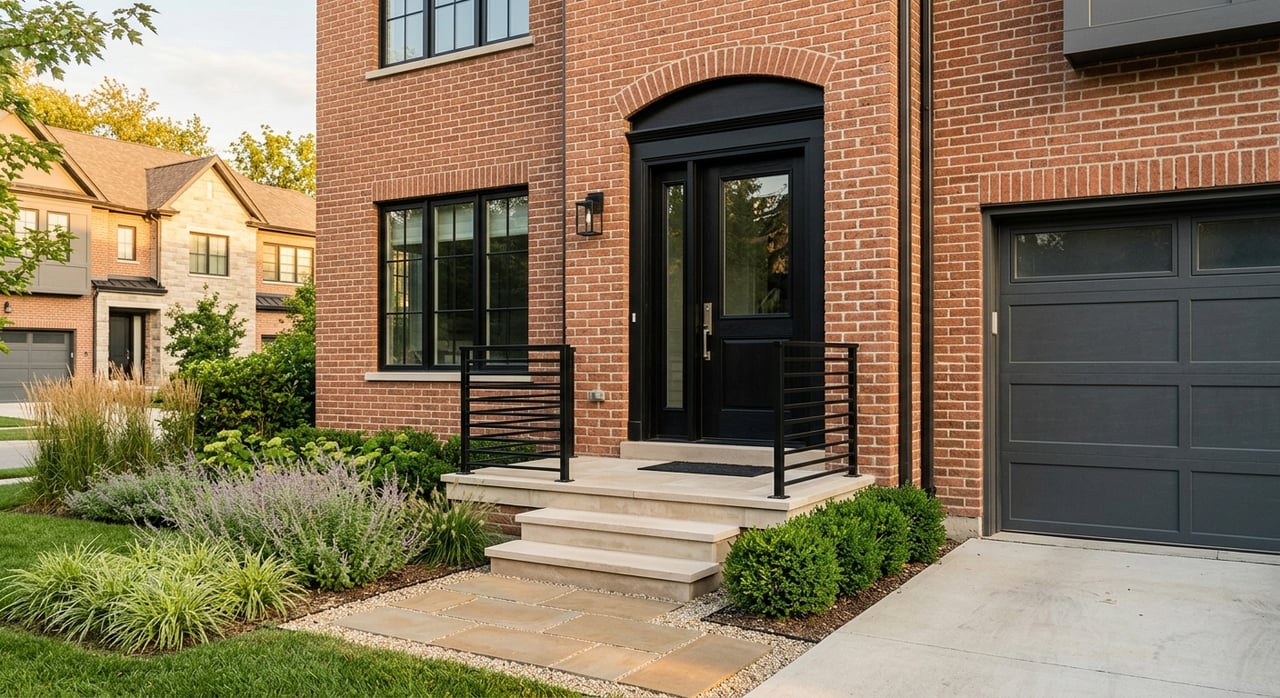
Thinking about renovating in East Price Hill but not sure how to blend modern comfort with neighborhood character? You are not alone. Many homes here date from the late 1800s through the mid‑1900s, and the best projects preserve that charm while boosting livability. In this guide, you will learn the hallmark features of local home styles, which exterior and interior updates deliver the most value, and how to plan permits, timelines, and budgets with confidence. Let’s dive in.
East Price Hill home styles at a glance
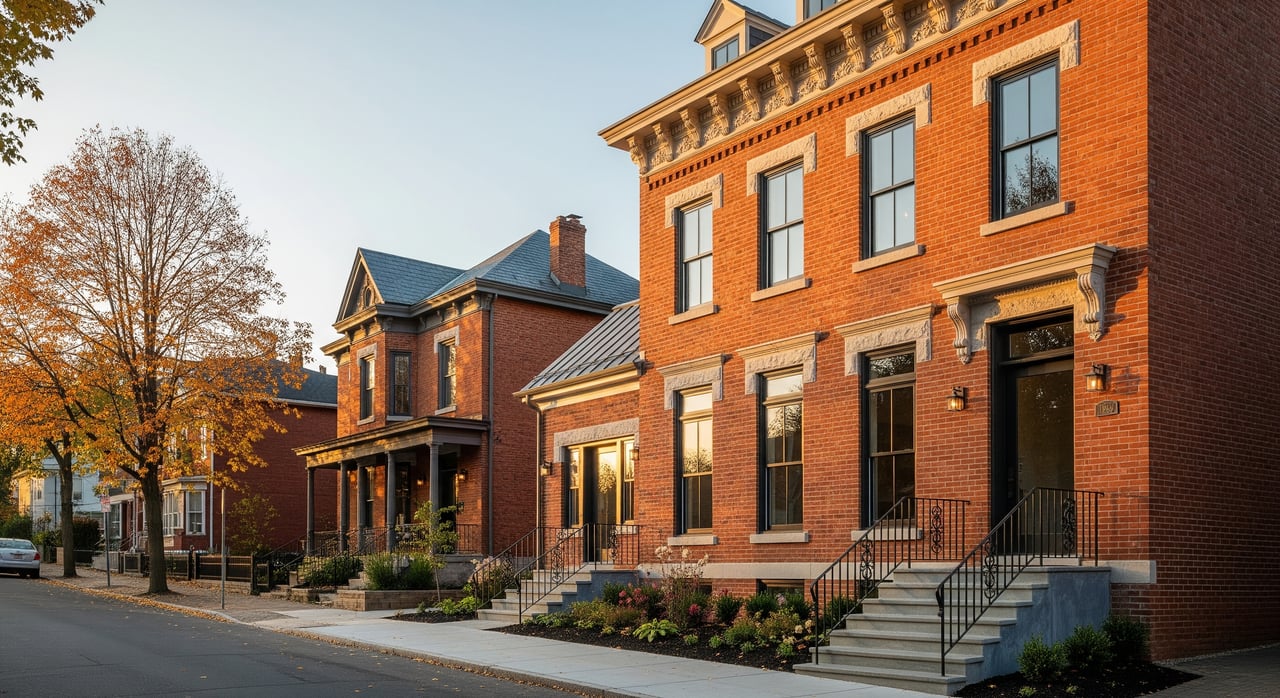
East Price Hill sits on Cincinnati’s west side with hilly streets, stone retaining walls, and front porches that shape the streetscape. Most homes are brick or wood‑frame with original millwork, porches, and masonry foundations. Understanding your home’s style helps you plan updates that fit the block and appeal to buyers.
Craftsman and Bungalow basics
- Low‑pitched gabled roofs with wide eaves and exposed rafter tails.
- Full or partial‑width porches with tapered square columns.
- Built‑in bookcases, window seats, and wide interior trim.
- Smaller, efficient footprints that reward smart space planning.
American Foursquare essentials
- Two stories, nearly cubic massing with a low‑hipped roof and centered dormer.
- Large front porch and simple classical or Craftsman details.
- Four‑room plan per floor, often with higher ceilings.
Late‑Victorian and postwar infill
- Folk Victorian details like spindlework and asymmetry show up on some older blocks.
- Later infill may have simpler lines or mid‑century touches.
Streetscape features to respect
- Prominent front porches and stoops.
- Mature trees, stone retaining walls and steps.
- Narrow alleys and occasional rear outbuildings.
Exterior updates that fit the block
Older East Price Hill homes carry strong curb appeal. When you update exteriors, the key is to preserve and repair first, and supplement with compatible changes.
Rooflines and massing
- Keep the original roof pitch visible from the street when possible.
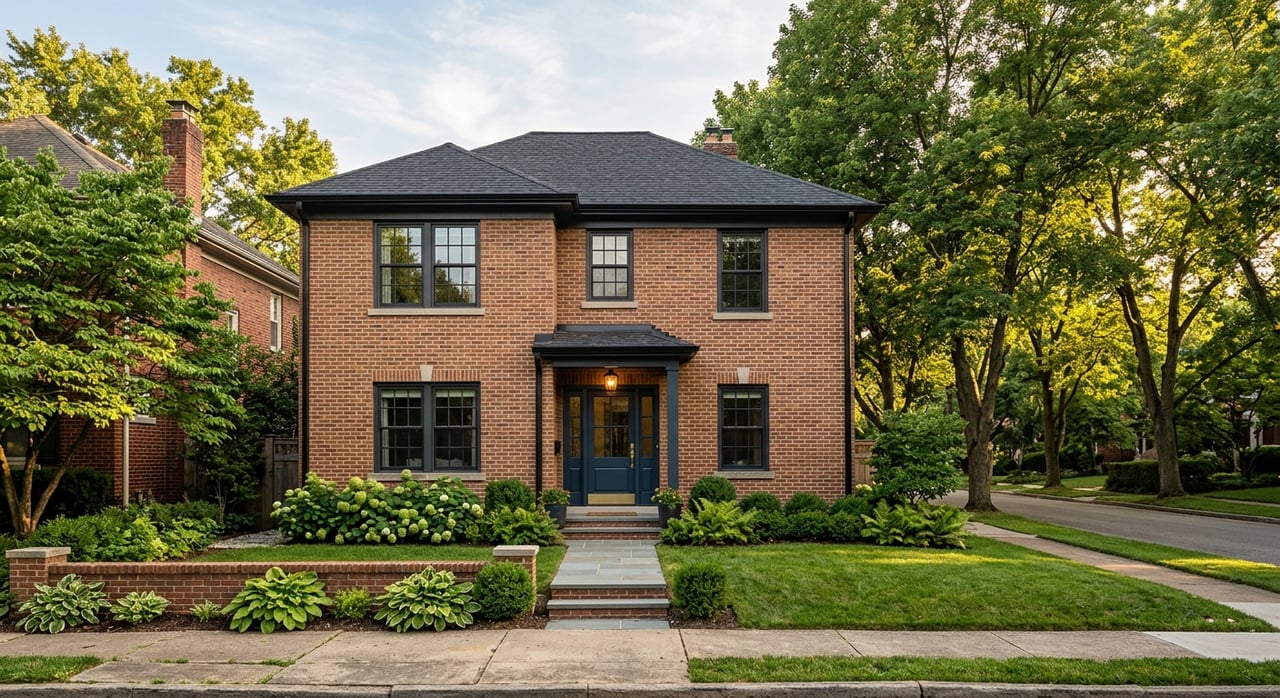
- If you need more space, consider a rear or side addition set back from the façade and stepped down in height.
- Avoid full‑height second stories that overpower the original scale.
Porches and entries
- Preserve porch size and proportions. Repair joists and beams rather than replacing entire assemblies when feasible.
- If replacement is necessary, match column profiles, railing spacing, and floor elevation so the rhythm of the block stays intact.
- Keep original door and transom openings where possible.
Windows and openings
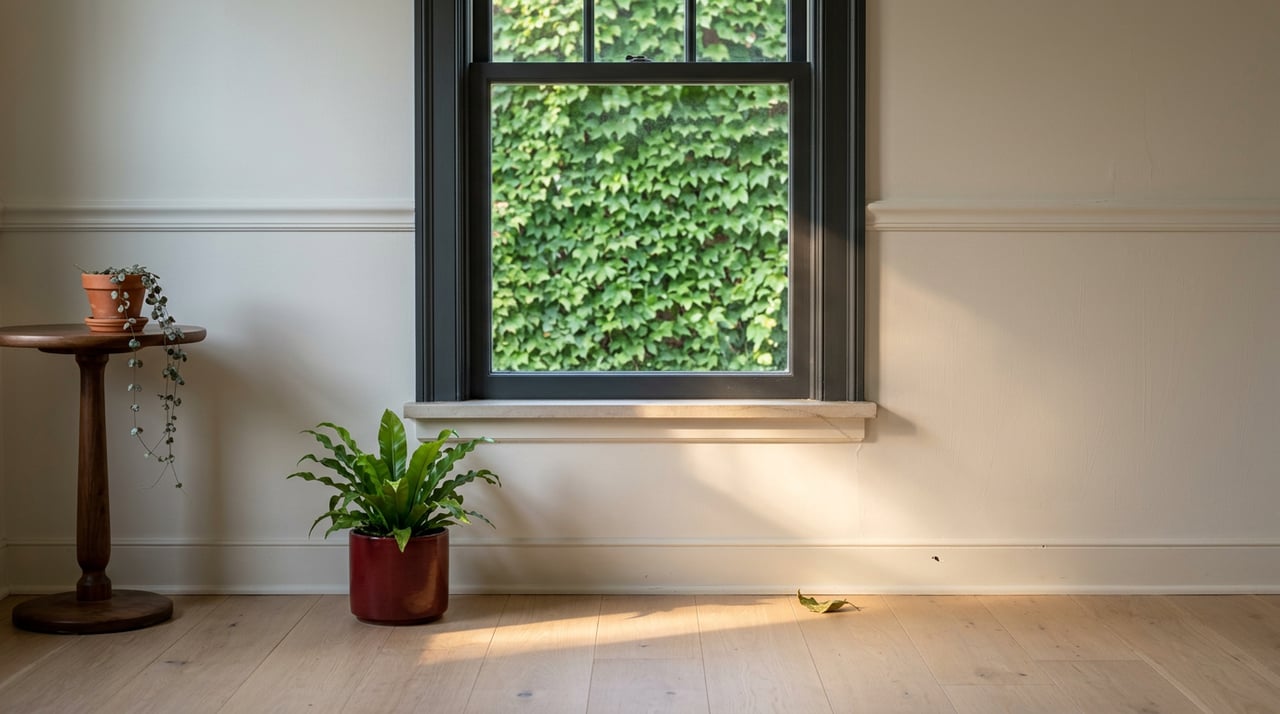
- Retain original window sizes and muntin patterns. Many performance gains come from sash repair, weatherstripping, and storm windows.
- When replacements are unavoidable, choose units that match original sightlines and trim profiles. Oversized vinyl frames can undercut historic character.
Siding and masonry
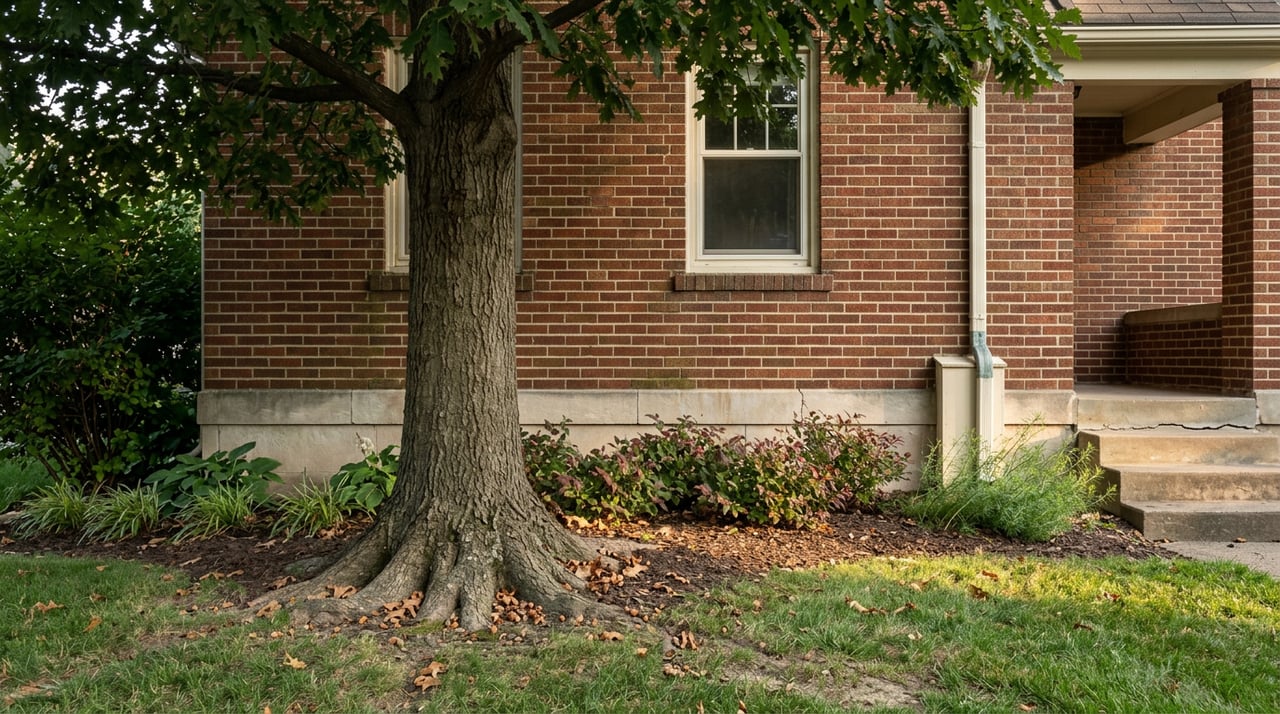
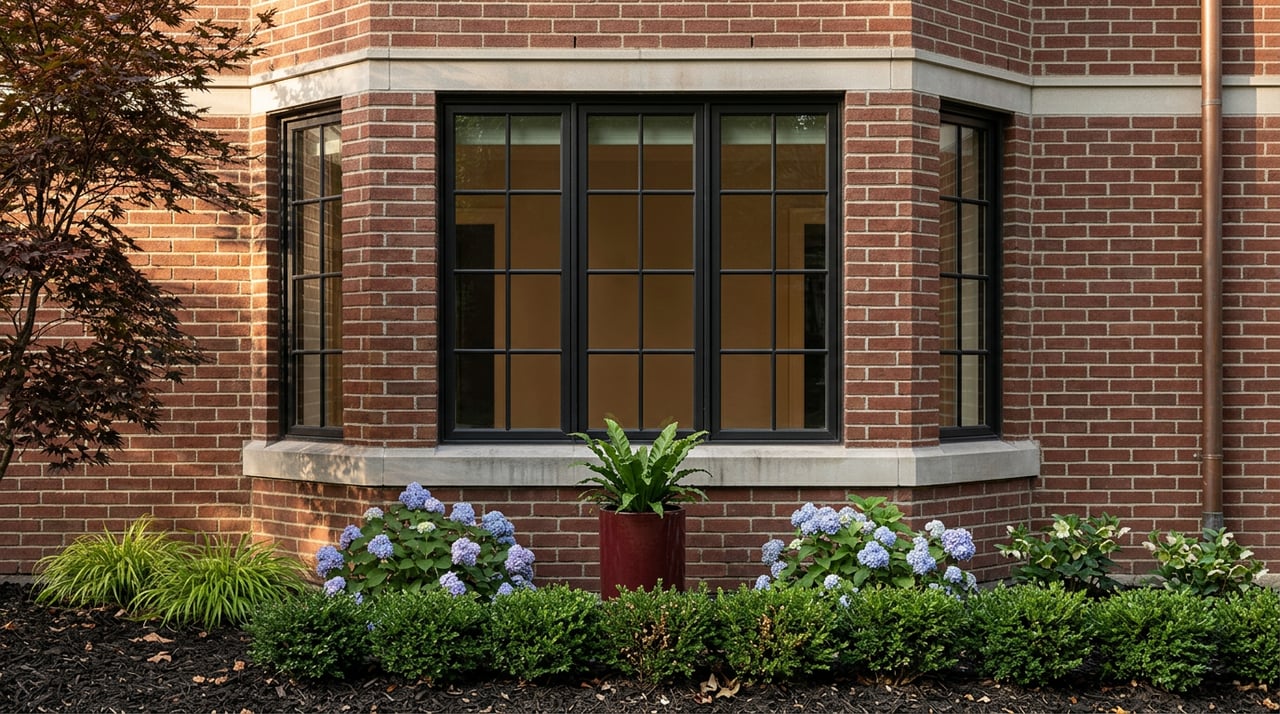
- For brick: repoint with mortar that matches the original hardness, color, and joint profile. Avoid sandblasting or harsh cleaning.
- For wood‑frame: skip thick vinyl overlays that erase trim. If you must replace, fiber‑cement that mimics original shadow lines keeps the look authentic.
Color and materials
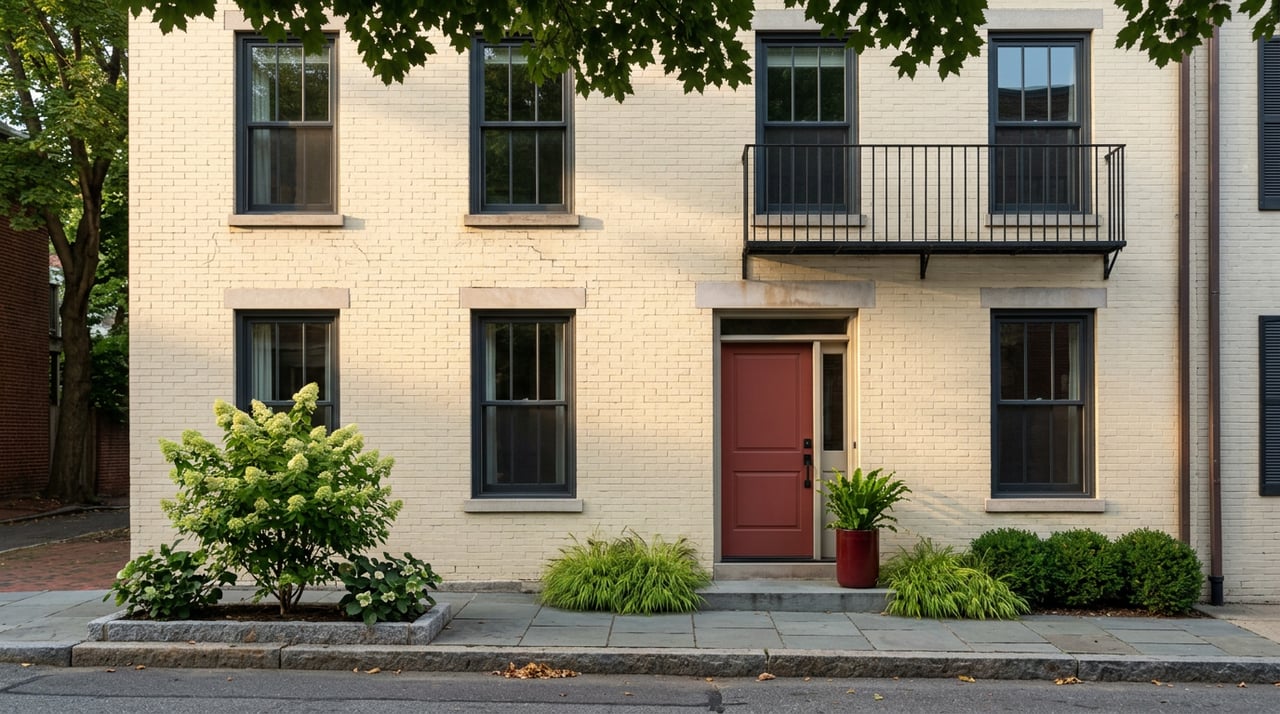
- Favor historically sympathetic palettes: natural brick, muted earth tones, white or cream trim, and darker accents for doors or shutters.
- High‑contrast ultra‑modern schemes can feel out of place here.
Additions and garages
- Place additions toward the rear or side, use compatible materials, and keep the original structure legible.
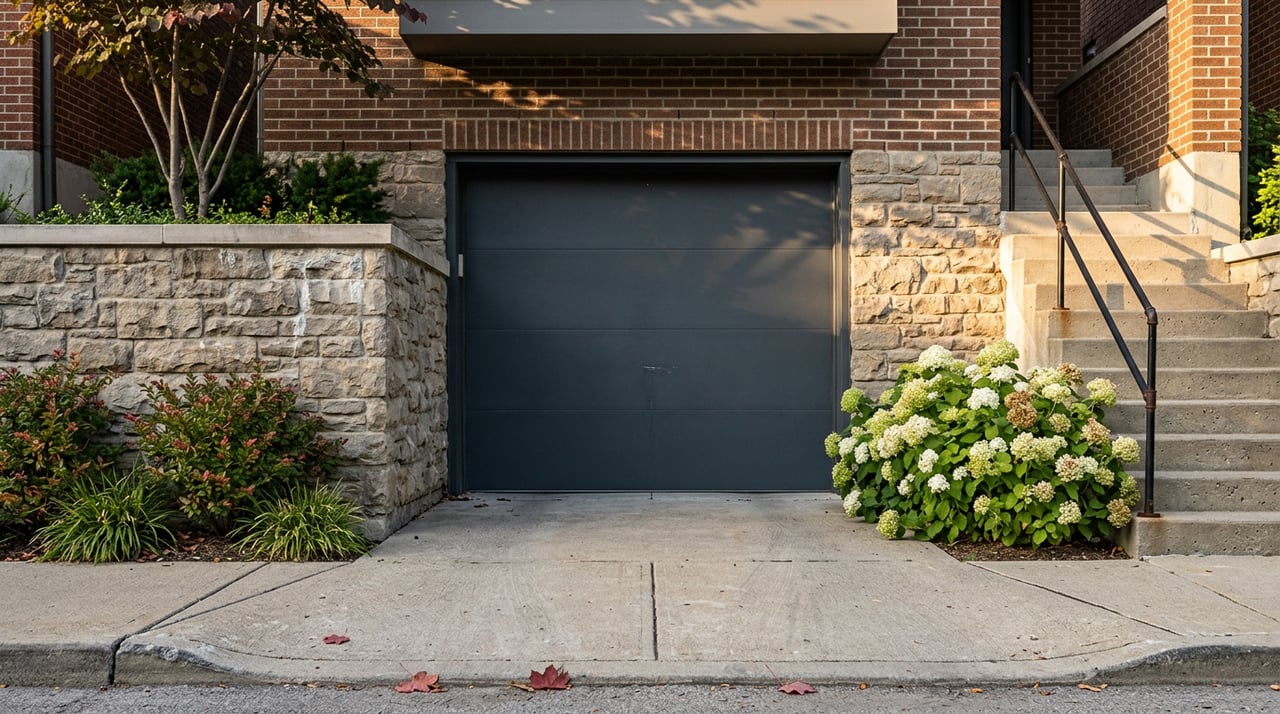
- Consider rear‑yard garages or parking accessed by alleys when available. On‑street parking is common and part of the neighborhood feel.
When design review applies
Some blocks may fall under local historic or conservation overlays. Exterior changes can require approvals. Check City of Cincinnati requirements early to avoid delays.
Smart interior upgrades buyers want
Inside, focus on livability, safety, and comfort. Value‑minded buyers in East Price Hill respond to solid systems and rooms that function well.
Systems and safety first
- Upgrade electrical service to modern capacity and address any outdated wiring.
- Ensure HVAC reliability with efficient furnaces or ductless mini‑splits where ducts are limited.
- Replace aging plumbing lines, fix roof leaks, and control moisture in basements.
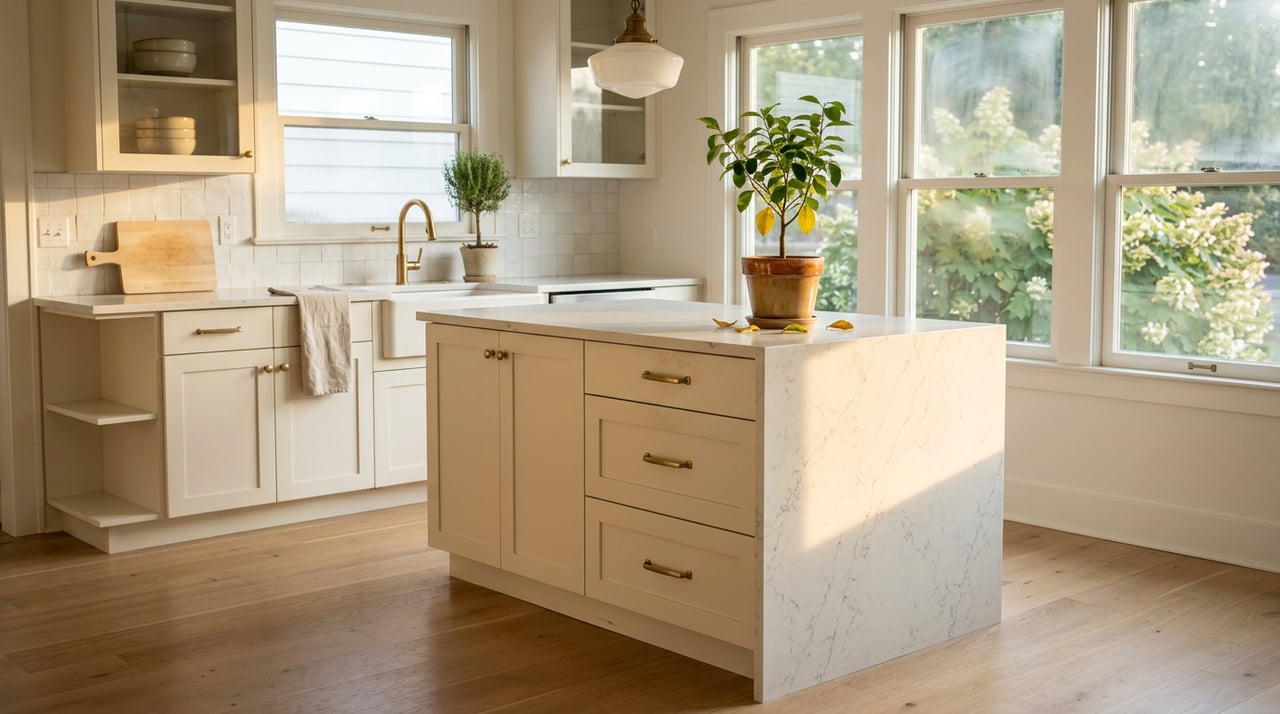
Kitchens that work hard
- Retain the footprint when it saves costs, then refresh cabinets with new faces or paint.
- Invest in durable countertops, quality lighting, and modern appliances.
- If structure allows, open the kitchen to the dining room for better sight lines and flow.
Bathrooms that feel fresh
- Update fixtures, tile, lighting, and ventilation. Re‑glaze or replace a tub only when necessary.
- Aim for clean, neutral finishes that age well.
Layout tweaks with impact
- Create a comfortable primary bath and tighten up storage with efficient closet solutions.
- Finish basements for bonus space, but address egress and moisture first.
- Where possible, improve first‑floor accessibility with low‑step thresholds and sturdy handrails.
Comfort and efficiency
- Air‑seal the attic and add insulation for year‑round comfort.
- Repair and weatherstrip existing windows; add storm panels for performance while keeping original proportions.
Additions and parking on tight lots
East Price Hill lots can be narrow with sloped yards. That affects where and how you expand.
- Favor rear additions that tuck behind the main massing. A modest step‑down often looks more natural and is easier to permit.
- Use materials and trim that complement, not copy, the original. The goal is compatibility with a clear break between old and new.
- For parking, explore alley access or compact rear garages where zoning allows. On many blocks, maintaining the porch‑forward look is more valuable than adding a prominent front drive.
Permits, financing, and hiring pros
Older homes benefit from experienced teams and proper approvals. Build time for planning into your schedule.
Permits and approvals
- Expect permits for structural changes, additions, systems work, and basement conversions.
- In locally regulated historic areas, exterior changes may require a certificate of appropriateness. Contact City of Cincinnati Building & Inspections and any relevant conservation boards early.
Contractor selection
- Seek pros with documented experience in older masonry and wood‑frame houses.
- Ask to see porch repair, repointing, and window rehabilitation projects in their portfolio.
- Verify references and confirm they understand how to preserve character while upgrading performance.
Financing paths to explore
- Options often include cash, construction loans, renovation mortgages like FHA 203(k) or Fannie Mae Homestyle, and home equity loans or HELOCs for current owners.
- Check for local programs through Cincinnati or Hamilton County that may support rehab or down payment in certain cases.
Timelines and planning
- Cosmetic updates can take days to a few weeks.
- Kitchen, bath, and systems upgrades typically run several weeks to a few months.
- Full gut rehabs or large additions take months. Plan for contingencies and possible temporary displacement.
Cost vs. value in East Price Hill
Projects that blend preserved character with modern systems tend to perform best. Buyers often pay a premium for homes that feel move‑in ready, with reliable HVAC, roofing, and electrical, plus comfortable kitchens and baths. By contrast, aggressive exterior overhauls that erase porches, change window openings, or alter rooflines can dampen market perception.
To stay aligned with neighborhood value:
- Preserve character‑defining features like porches, rooflines, masonry, and original trim.
- Prioritize safety and systems before cosmetic work.
- Keep kitchen and bath updates classic and durable rather than ultra‑trendy.
Pre‑project checklist
Gathering information upfront streamlines your consults and contractor bids. Use this quick list:
- Photos of all elevations and interior rooms.
- Basic floor plan or room measurements with ceiling heights.
- Home age and any known past renovations.
- Mechanical details: furnace and AC age, electrical panel capacity, water heater age.
- Notes on moisture, roof leaks, or any pest or structural issues.
- Deed restrictions, association rules, or local historic notices if applicable.
- Your budget range and timeline goals.
Buying in East Price Hill with renovation in mind
If you plan to buy and improve, evaluate each property through both a preservation and livability lens.
- Walk the block to understand porch rhythms, setbacks, and common materials so your future updates will fit.
- Look for solid foundations, manageable moisture, and intact window and door openings that can be restored.
- Map potential layout changes. Can the kitchen open to dining without major structure? Is there room for a rear addition?
- Factor permit pathways and any conservation review into your timeline.
A seasoned local advisor can help you benchmark comps, understand buyer expectations, and identify listings with strong upside potential.
Next steps
Your renovation can honor East Price Hill’s look while giving you the comfort and function you want. Start with a clear plan, protect the façade, modernize systems, then bring kitchens and baths up to today’s standards. If you want property‑specific guidance, local comps, and early alerts on homes that fit your plan, reach out to the team that lives this market every day. Connect with the Johnson Real Estate Group to talk strategy and get early access to opportunities.
FAQs
Do I need to keep original windows in East Price Hill?
- Preserving original windows is often cost‑effective and keeps character when paired with repairs and storm panels; replace only when beyond repair and match original proportions.
Can I add a second story to a Foursquare in East Price Hill?
- You can, but it is usually expensive and visually disruptive; a rear or set‑back addition that is lower in height is typically a better fit for the block.
What permits are required for a porch rebuild in Cincinnati?
- Structural porch work generally requires permits, and if your block is in a historic or conservation area you may also need a certificate of appropriateness.
Which renovation adds the most value in East Price Hill?
- Address systems and moisture first, then deliver a comfortable kitchen and bath while preserving porches and trim; this balance tends to attract the widest buyer pool.
Are rear‑yard garages feasible on narrow East Price Hill lots?
- Often yes when alleys or driveways allow, but keep additions toward the rear and confirm local zoning and access before committing.
How long does a kitchen remodel take in an older Cincinnati home?
- Plan for several weeks to a few months depending on scope, especially if structural changes, electrical upgrades, or plumbing reconfigurations are involved.