You love the character of your Hyde Park home, but you also want it to compete with today’s buyer expectations for comfort, safety and style. The good news is you do not need a full gut renovation to sell well. You just need a smart plan that protects original details while tackling the updates that matter most. In this guide, you’ll learn exactly where to focus, how to navigate Hamilton’s rules and what to do before you list. Let’s dive in.
Understand Hyde Park’s context
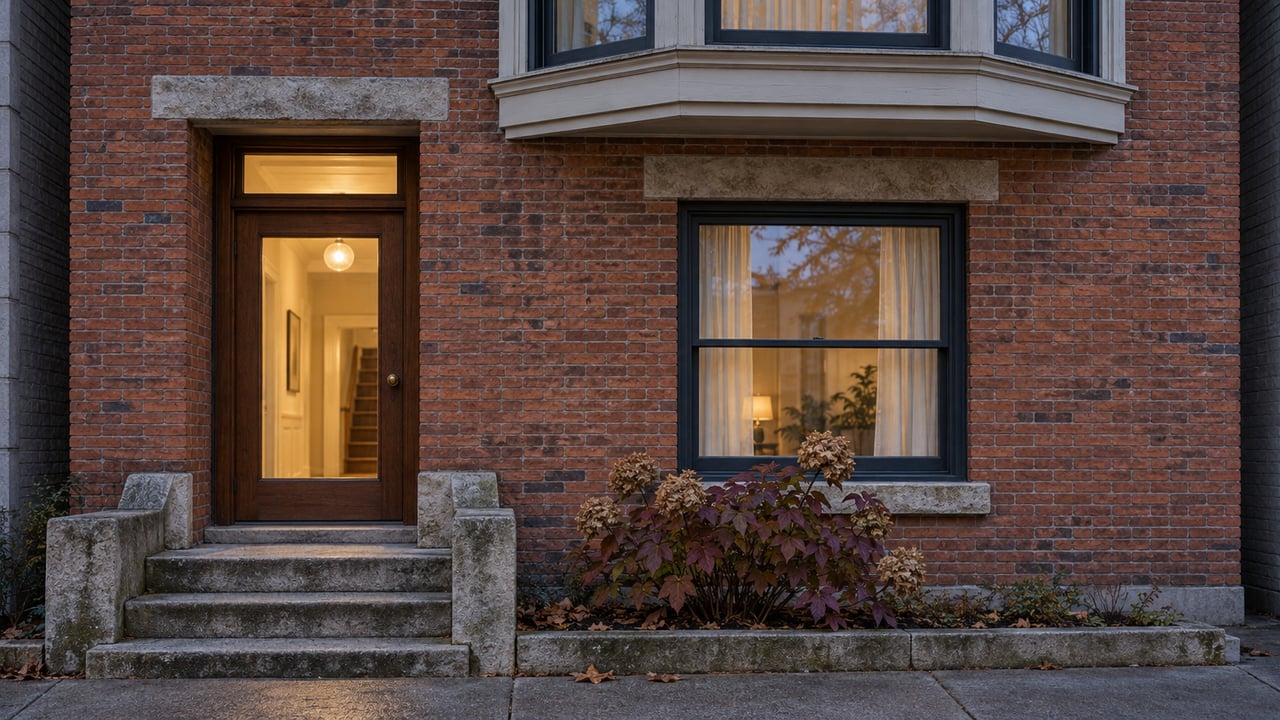
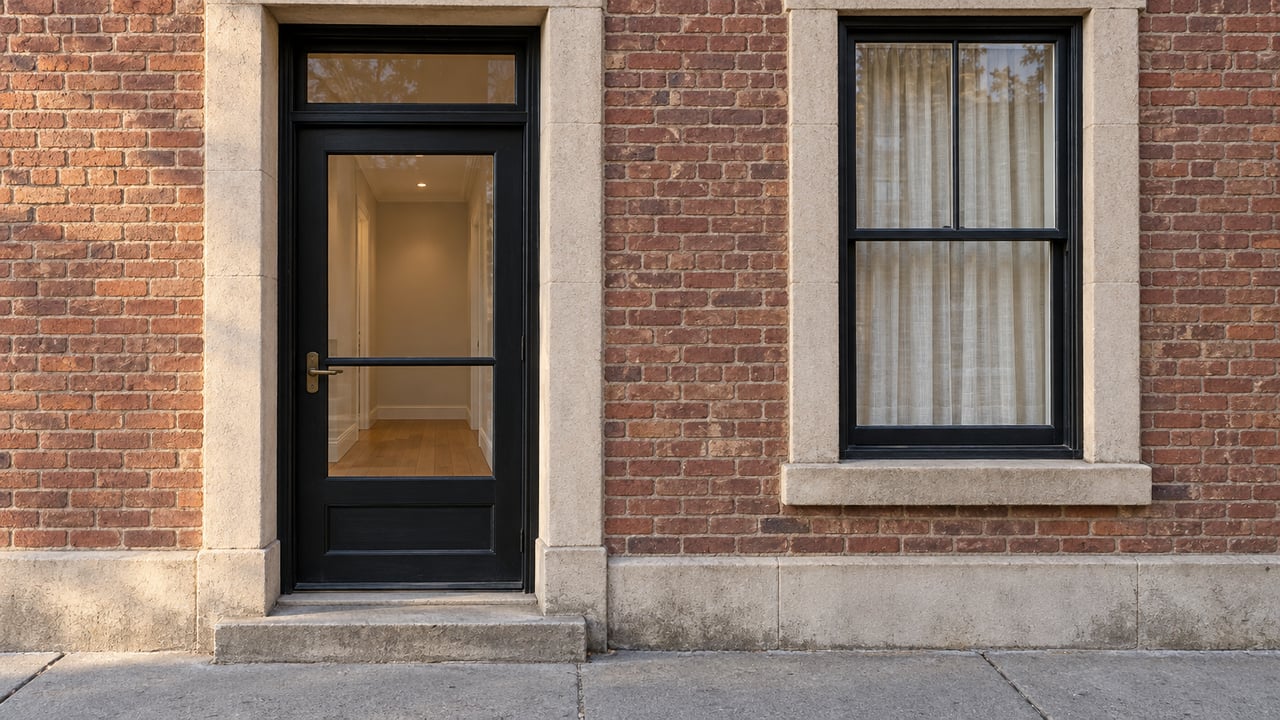
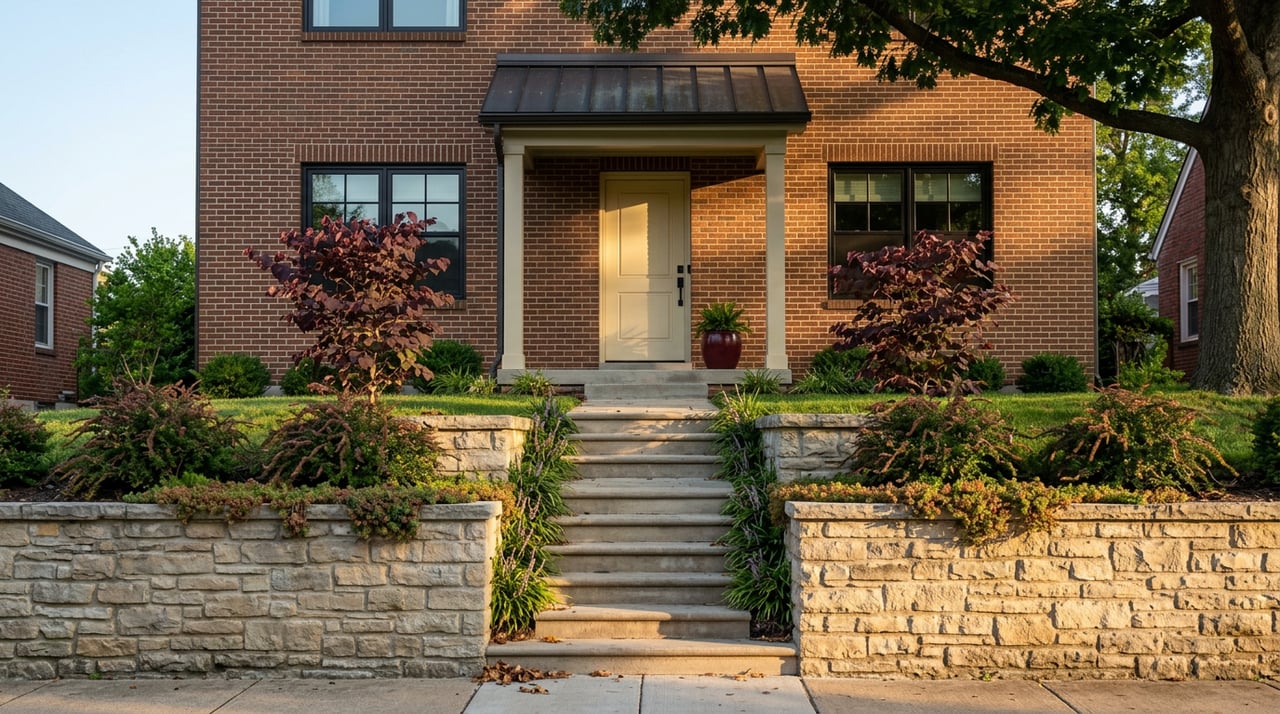
Hyde Park in Hamilton includes early 20th century sections, with plats dating to around 1919 and annexation in 1931. Many homes still showcase period features alongside later updates. You can expect details like original wood windows, unique porch designs and classic masonry. Community sources offer a helpful snapshot of the area’s history and housing styles in this Hyde Park and Verlyn Place overview.
For sellers, that history is an asset. Buyers who choose a historic neighborhood often want craftsmanship and charm, paired with reliable systems and move-in readiness. Your prep plan should protect what makes your home special while checking the boxes that help modern buyers feel confident.
Know the rules before you renovate
If your property sits in a regulated historic area or appears on the city inventory, exterior changes may require a Certificate of Appropriateness through Hamilton’s Architectural Design Review Board. The ADRB follows the Secretary of the Interior’s Standards and offers both quick administrative approvals for like-for-like repairs and board hearings for more visible or substantial work.
Hamilton has several designated districts, including Dayton-Campbell, German Village and Rossville/Main Street. Hyde Park is a locally recognized historic neighborhood but is not one of those three national districts. Use the city’s interactive tools to confirm whether your parcel is within a regulated overlay or on the Ohio Historic Inventory, and see this overview of Hamilton’s historic districts for context.
Bold reminder: Do not start exterior alterations until you know whether a COA is required and have received approval. The ADRB’s written policies explain timing, submittal needs and what qualifies for administrative review. You can find guidance, timelines and standards in the city’s ADRB Policies and Guidelines.
Interior, behind-the-walls upgrades like wiring, plumbing and HVAC are typically fine without ADRB review when they do not alter visible historic features. When a change is visible from the street, plan for compatibility in scale, massing and materials per the Secretary’s Standards. For technical best practices on windows, masonry, roofing and energy improvements, consult the National Park Service’s Preservation Briefs.
Get pre-listing inspections
Pre-listing inspections reduce surprises, speed negotiations and help you decide what to fix versus disclose. For older homes, common problem areas are well documented by the inspection industry. InterNACHI outlines typical defects found in older buildings, including electrical and plumbing concerns, in their guide to inspecting older homes.
Prioritize these assessments:
- General home inspection to flag safety and system issues.
- Licensed electrician evaluation for knob-and-tube, aluminum wiring, ungrounded outlets and overloaded panels. Many insurers require remediation or documentation.
- HVAC service check with receipts to show recent maintenance.
- Plumbing review and a sewer scope to assess galvanized or lead service lines and cast iron drains.
- Targeted hazardous material checks as indicated, such as asbestos in older materials.
- Roof, flashing, chimney and masonry review. If repointing or masonry cleaning is needed, the NPS Preservation Briefs explain appropriate methods.
If your home was built before 1978, federal rules treat it as potential target housing for lead-based paint. Provide required buyer information and disclosures, and hire EPA-certified renovators if any paint-disturbing work is planned. Review the EPA’s Renovation, Repair and Painting Rule overview for contractors and property owners here.
How to use your results:
- Fix safety or code items that can block financing or insurance.
- For cosmetic or borderline issues, decide whether to disclose and price accordingly or complete modest repairs that reduce buyer friction.
- If bigger items remain, gather written estimates. Documentation helps buyers understand scope and cost, which keeps deals moving.
Improve what matters most
You do not need to over-renovate to impress today’s buyers. Focus on safety, curb appeal and targeted refreshes that signal care and livability.
1) Safety and mechanical triage
- Correct unsafe wiring and document work by a licensed electrician. Buyers and insurers look for this.
- Service the furnace, AC and water heater. Provide receipts and any transferable warranties.
- Address active roof leaks or structural hazards. Use NPS guidance when dealing with historic roofing materials.
2) Curb appeal and first impressions
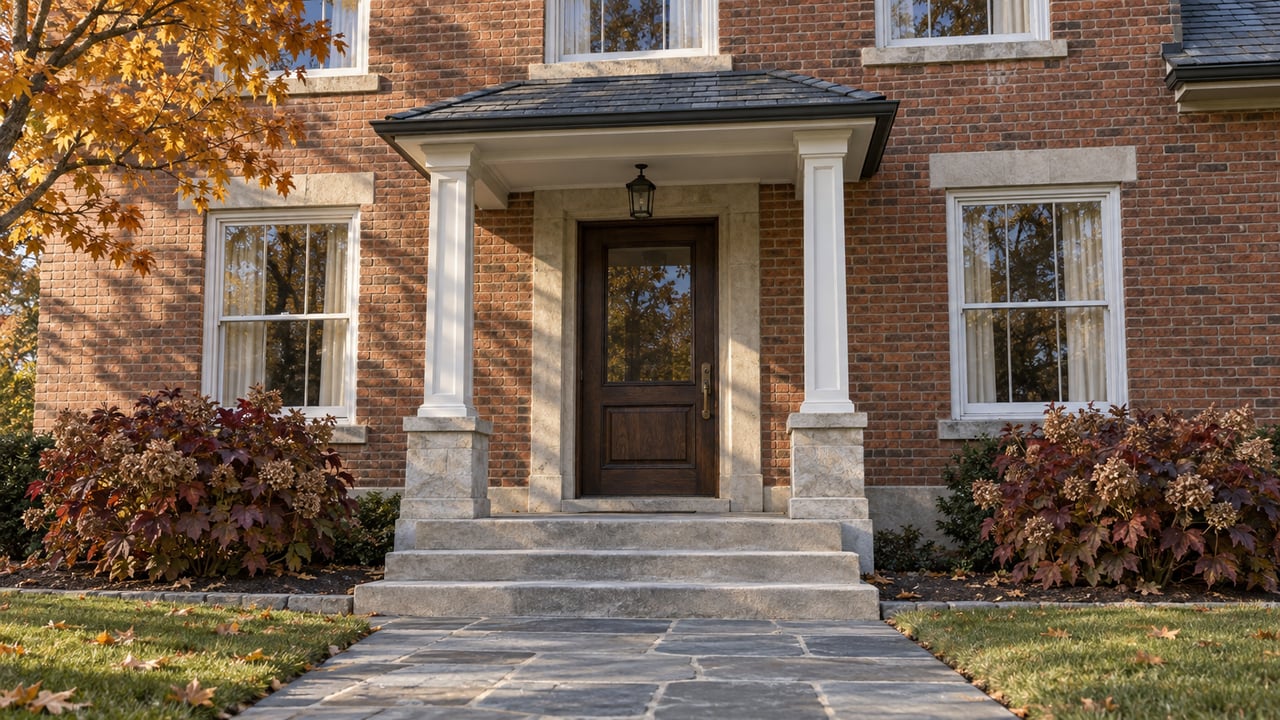
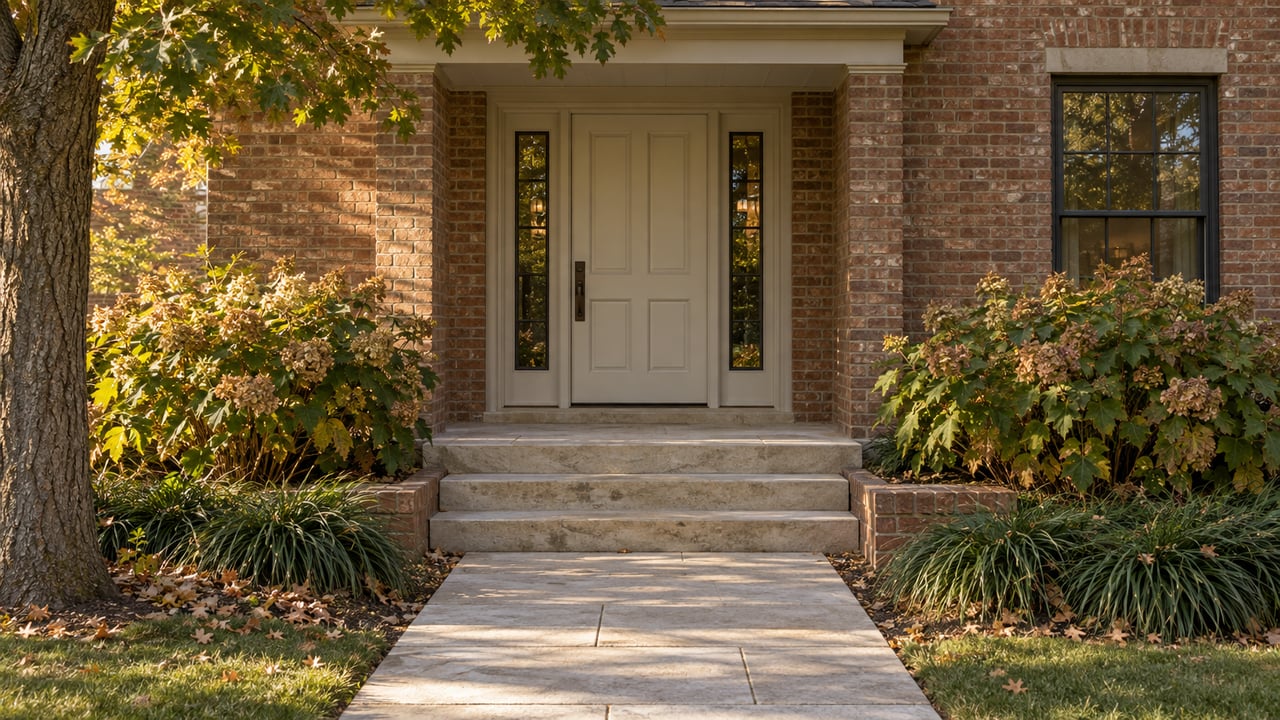
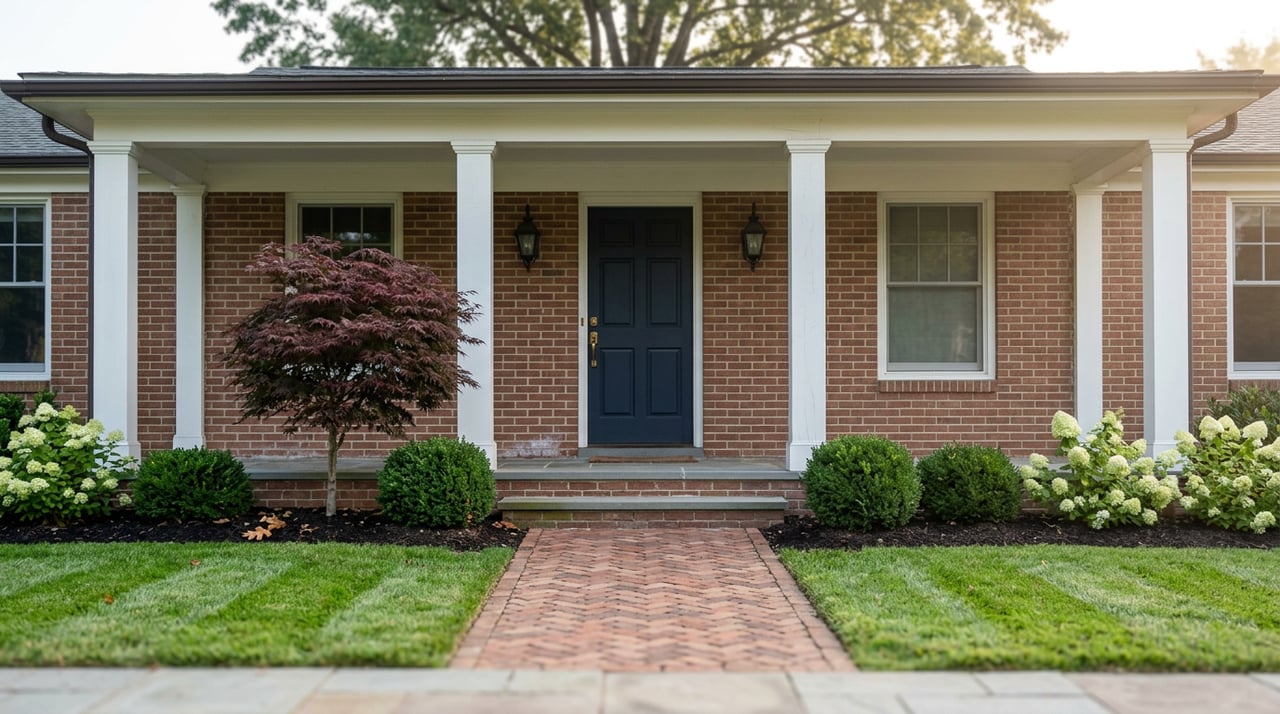
- Refresh entry paint, update hardware, repair porch elements and tidy landscaping.
- Clean paths and steps. Aim for neat and welcoming.
- Consider a quality garage door replacement if yours is dated or failing. Cost vs Value data shows garage door projects often deliver some of the best national recoup ratios. See the Remodeling summary infographic on project returns.
3) Kitchen and bath refreshes
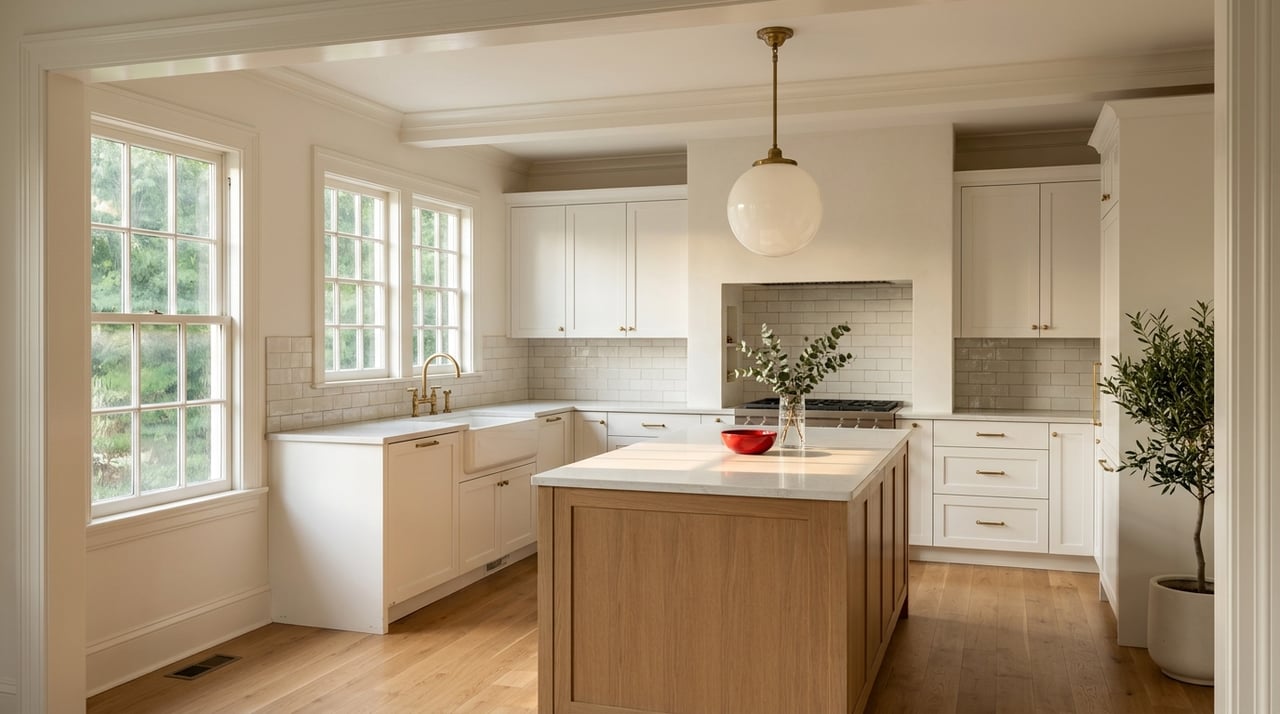
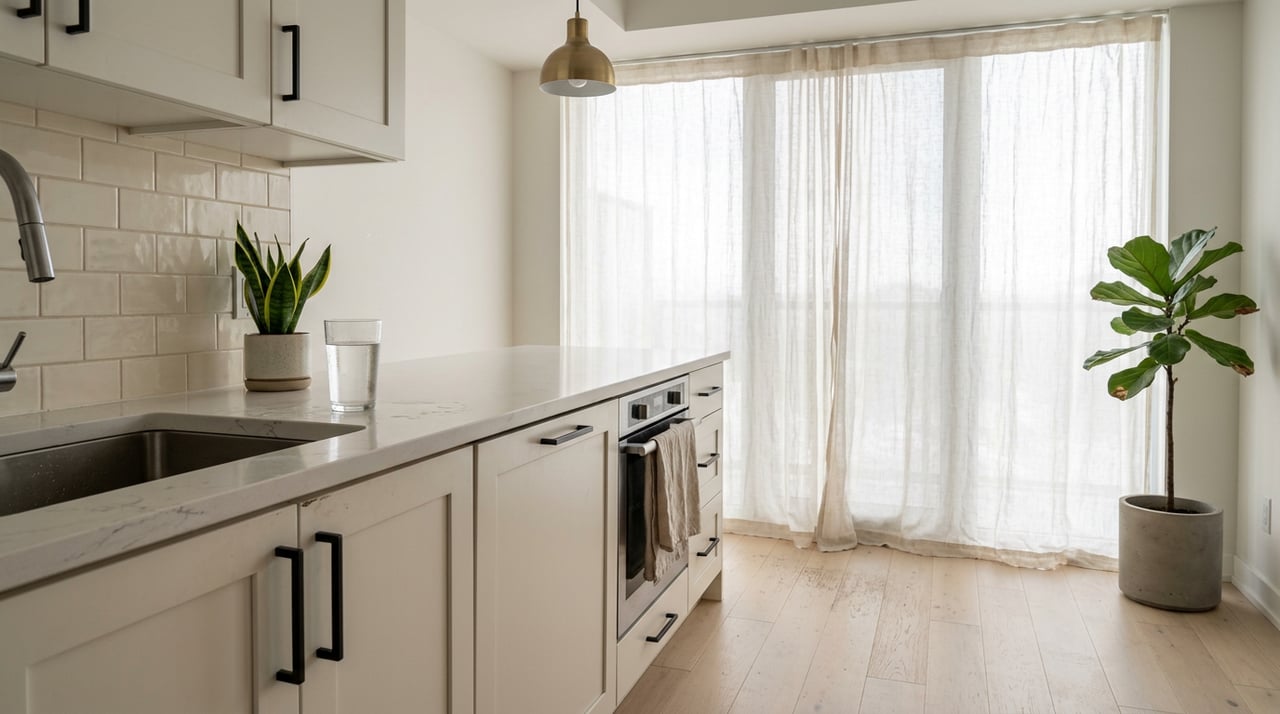
- In the kitchen, think “minor upgrade” rather than a full gut. New counters, painted or refaced cabinets, updated hardware, efficient appliances and better lighting go a long way.
- In bathrooms, a new vanity, fixtures and lighting can transform the feel without heavy construction.
- National benchmarks show midrange, tasteful updates often recoup better than ultra luxury remodels. Avoid removing character-defining elements that buyers value.
4) Windows and energy
- Repair original wood windows when possible. Combine sash repair, weatherstripping and storm windows to improve comfort while preserving character.
- If replacement is necessary, match sightlines and muntin patterns. Be prepared for ADRB review if the windows are visible from the street. The NPS briefs offer repair-first approaches for historic windows.
5) Targeted energy upgrades
- Add attic insulation, air sealing and duct repairs in non-visible areas.
- Consider efficient HVAC that fits within existing mechanical spaces.
- NPS guidance explains how to improve performance without harming historic fabric. Market these upgrades as comfort and cost savings.
6) Staging and photography
- Stage the living room, primary bedroom and kitchen first. For historic homes, staging should highlight craftsmanship like built-ins, millwork and fireplaces while pairing them with clean, contemporary furnishings.
- Use professional photography and include a clear 2D floor plan. Showcase preserved details with close-ups.
- NAR reports that staging helps buyers visualize the property and can shorten time on market. See the 2023 findings on home staging impact.
Price and ROI the smart way
Think of national ROI data as a guide, not a rule. The Remodeling Cost vs Value data highlights that modest, well-executed projects often outperform big-ticket renovations. In a historic pocket like Hyde Park, tasteful, compatible improvements typically beat trend-chasing overhauls.
Get local contractor estimates and compare your plan to recent neighborhood comps. Your goal is to meet buyer expectations for safety, comfort and everyday function while keeping the home’s architectural story intact.
Permits, documentation and timing
The ADRB offers two approval tracks: quick administrative reviews for like-for-like exterior repairs and board hearings for more visible changes. Administrative reviews can take days, while board-level approvals may take weeks depending on the meeting calendar. The city’s ADRB Policies and Guidelines outline submittal requirements, standards and appeal processes.
Suggested pre-list timeline:
- 0 to 7 days: Confirm whether your home is within a regulated area, consult Planning or ADRB staff, and order pre-listing inspections.
- 7 to 21 days: Complete administrative fixes like paint touchups, minor electrical corrections, deep cleaning and staging prep. Gather receipts.
- 2 to 6+ weeks: Finish board-level COA projects or bigger mechanical work. Schedule professional photos once staging and critical repairs are done.
Keep a clean paper trail. Include your COA approvals, service records and warranties with your seller disclosures. This builds trust and reduces buyer objections.
Quick seller checklist
- Verify if your parcel is in a Hamilton historic district or on the Ohio historic inventory. Start with Hamilton’s ADRB page.
- Order a pre-listing home inspection plus electrical, plumbing, HVAC checks and a sewer scope if warranted. Use InterNACHI’s guide to older-home issues as a reference.
- Fix immediate safety and financing blockers such as unsafe wiring or active roof leaks.
- If built before 1978, prepare required lead-based paint disclosures and use EPA-certified renovators for any paint-disturbing work under the RRP Rule.
- Prioritize curb appeal and midrange kitchen or bath refreshes. Reference national project returns to set expectations.
- Stage the living room, primary bedroom and kitchen. Use professional photos and a floor plan, and highlight preserved features. See NAR’s staging data.
Preparing a historic Hyde Park home is about balance. Protect the features that make your home special, upgrade what buyers expect and document your work. If you want an end-to-end plan, premium presentation and calm guidance through the ADRB and listing process, connect with the team at Johnson Real Estate Group. We pair white-glove marketing with neighborhood expertise to help you sell confidently and for the right price.
FAQs
What is the ADRB in Hamilton and when do I need a COA?
- The Architectural Design Review Board oversees exterior changes to properties in Hamilton’s regulated historic areas or inventory; if your Hyde Park home falls in one, most visible exterior work requires a Certificate of Appropriateness before you begin.
Which pre-listing inspections help most for older Hyde Park homes?
- Start with a general inspection, then add licensed electrical, plumbing, HVAC and a sewer scope as needed; consider targeted checks for lead paint, asbestos and roof or masonry condition.
Should I replace original wood windows before selling?
- Often no; repair, weatherstripping and storm windows usually preserve value and improve comfort, and if street-visible replacements are necessary, choose compatible designs and expect ADRB review.
How can I make a historic home feel modern without a full remodel?
- Focus on safety and mechanicals, add a minor kitchen or bath refresh, improve lighting, complete energy upgrades that are not visible and stage rooms to showcase craftsmanship with contemporary furnishings.
What are my obligations for lead paint in a pre-1978 home?
- Provide federally required lead-hazard information to buyers and use EPA-certified renovators for any paint-disturbing work, then disclose known lead conditions or test results as part of your seller documents.