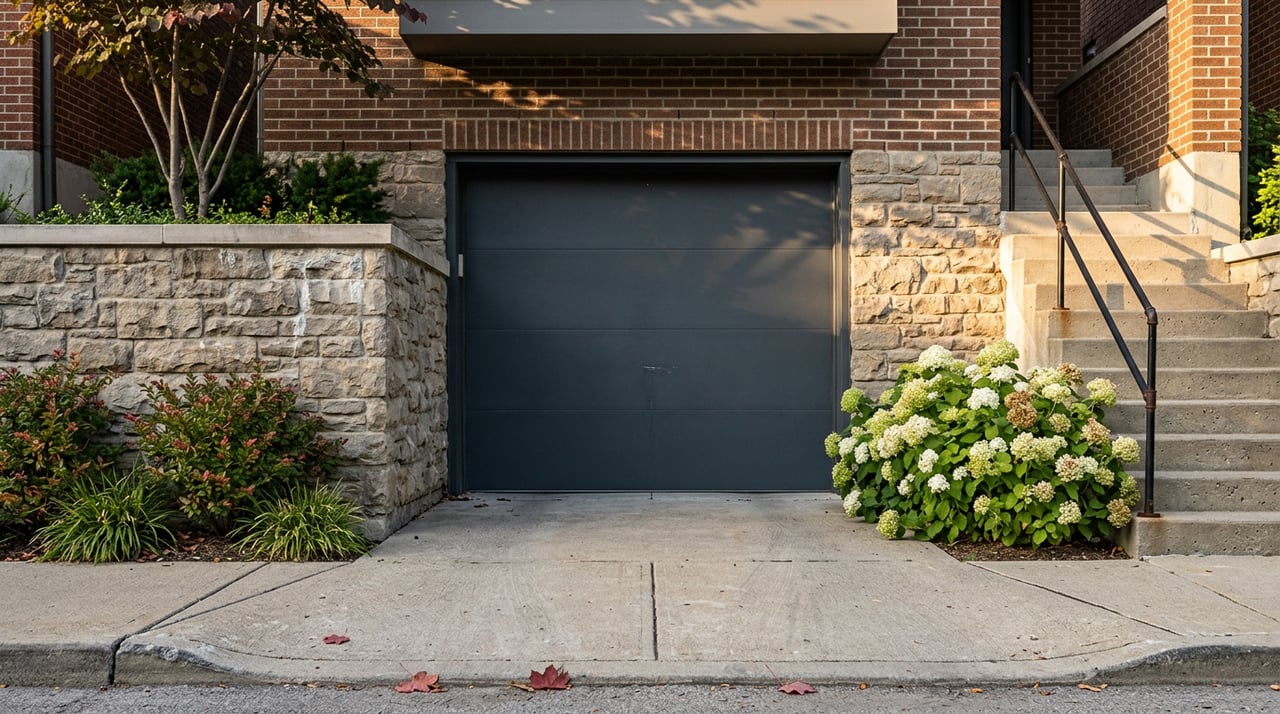
The Parking Space Hiding Inside Mount Adams's Median Price
August 13, 2026
August 13, 2026
"Parking is also at a premium in Mount Adams."
That line shows up in almost every guide to the neighborhood, usually right after the paragraph about the Ohio River views from Immaculata. Most readers skim past it on the way to photos of the skyline. Buyers comparing listings on The Hill should stop and read it twice, because it turns out to be the most useful sentence in this whole conversation.
Here is the part that catches people off guard mid-transaction: Cincinnati's Residential Parking Permit program, which covers Mount Adams, does not sell you a parking space. It sells you eligibility to compete for one. The program lets residents inside an approved zone apply for a permit, but there are no assigned spots. Permit holders park on a first-come, first-served basis within their zone, same as anyone else on that block with a valid permit. A household is capped at two permits, one per resident, and every permit is now issued digitally with no physical sticker to display. None of that guarantees pavement under your car at 7 p.m. on a Friday when the neighborhood's bars are full.
That single fact, permit means the right to apply and not the right to park, does something to home values in Mount Adams that it doesn't do in flatter east-side neighborhoods with more curb space to go around. It's also why the neighborhood's median sale price, the number most researchers land on first, is a much weaker guide here than it would be almost anywhere else in Cincinnati.
Mount Adams sells a small number of homes in any given month, and that changes what a median can actually tell you. In March 2026, the neighborhood recorded a median sale price of $540,000, a 39.4% jump year over year, built on just 7 closed sales, down from 10 the year before. By May 2026, the reported median for the neighborhood had moved to $604,797, down 6.2% year over year on the same basis.
Two data points, two directions, same neighborhood, two months apart. Neither number is wrong. Both are accurate snapshots of whatever handful of homes closed in that window. But when the total pool of sales sits in the single digits, one $1.2 million historic renovation or one modest condo resale can swing the reported median by tens of thousands of dollars without any real shift in what Mount Adams property is worth.
Other sources add to the noise rather than resolving it:
| Source and window | Reported figure |
|---|---|
| March 2026 sales data | $540,000 median, up 39.4% year over year |
| February 2026 listing data | $625,000 median, average sale price $664,269 |
| May 2026 sales data | $604,797 median, down 6.2% year over year |
| Trailing 12 months | $505,000 median, down 18% from the prior 12 months |
Days on market tells a similarly split story. One dataset put the average at 32 days against a national average of 54. Another, pulled a few weeks apart, showed homes sitting for 49 days, up from 40 the year before. One competitiveness score puts Mount Adams at 42 out of 100, which is to say it's neither a bidding war nor a buyer's market. It's a thin market, and thin markets produce headlines that look dramatic and mean less than they appear to.
If you're comparing Mount Adams to Hyde Park or Mount Lookout using median price alone, you're comparing a number built on 7 to 10 monthly sales against neighborhoods where a larger sample size makes that median hold steadier. That's not a reason to avoid Mount Adams. It's a reason to ask a different question than "what's the median" when you're pricing a specific address.
While the median bounces around, one segment of the Mount Adams market has stayed remarkably consistent in what it commands. Homes currently listed with a garage carry a median asking price of $759,000, well above the neighborhood's overall median in any of the ranges above. That gap isn't primarily about square footage or finish level. Listing language makes the case on its own. One recent renovation by architect John Senhauser was marketed around its "rare double lot with private 4-car parking, a true rarity on the Hill." Another listing leads with its new driveway, treating the addition of off-street parking as the standout feature of the property rather than a footnote to the floor plan.
The same logic shows up at the condo level. Adams Place, the 80-unit, 11-story tower completed in 1992, includes units where many come with two dedicated garage spaces. That feature gets called out explicitly as valuable precisely because street parking can be limited in a hillside neighborhood. It's positioned as a structural advantage over comparable units without it, not a nice-to-have.
None of this is a coincidence. Mount Adams was laid out on a steep hillside grid more than a century before anyone needed to store a car, and the streets have never been widened to catch up. A garage or a legal off-street pad here isn't a luxury upgrade the way a wine fridge is. It's the difference between owning a place to park and owning a permit to try.
If you're deciding between Mount Adams and another east-side neighborhood, or between two Mount Adams addresses that look similar on paper, the median price is the wrong tool for that decision. Use this instead:
A home without dedicated parking isn't a bad purchase in Mount Adams. Plenty of longtime residents manage fine on permits and patience. But it should be priced and negotiated as a different category of home than one with a driveway or garage, and the neighborhood's own listing data already treats it that way even when the marketing copy doesn't say so directly.
Does a Cincinnati residential parking permit guarantee me a spot near my home? No. The permit allows you to park within your designated zone on a first-come, first-served basis. There are no assigned spaces, so a valid permit buys you eligibility to compete for open curb space, not a reserved one.
How many parking permits can one household get? Current city rules cap households at two permits, with one issued per resident. Spouses, partners, and roommates each need their own account and application.
Why do different reports show such different median prices for Mount Adams? Mount Adams closes a small number of sales each month, often under ten. With that few transactions, one or two unusually priced homes can shift the reported median significantly, which is why figures from the same general period can vary by tens of thousands of dollars depending on the exact window measured.
If you're weighing Mount Adams against another Cincinnati neighborhood, or trying to figure out what a specific address with or without parking is actually worth right now, Johnson Real Estate Group can walk you through the comparison street by street. Get Early Access to Listings before the next round hits the market.


Every real estate journey is unique, and Johnson Real Estate Group is here to make yours unforgettable. We listen, strategize, and act with precision — ensuring your goals become our goals.